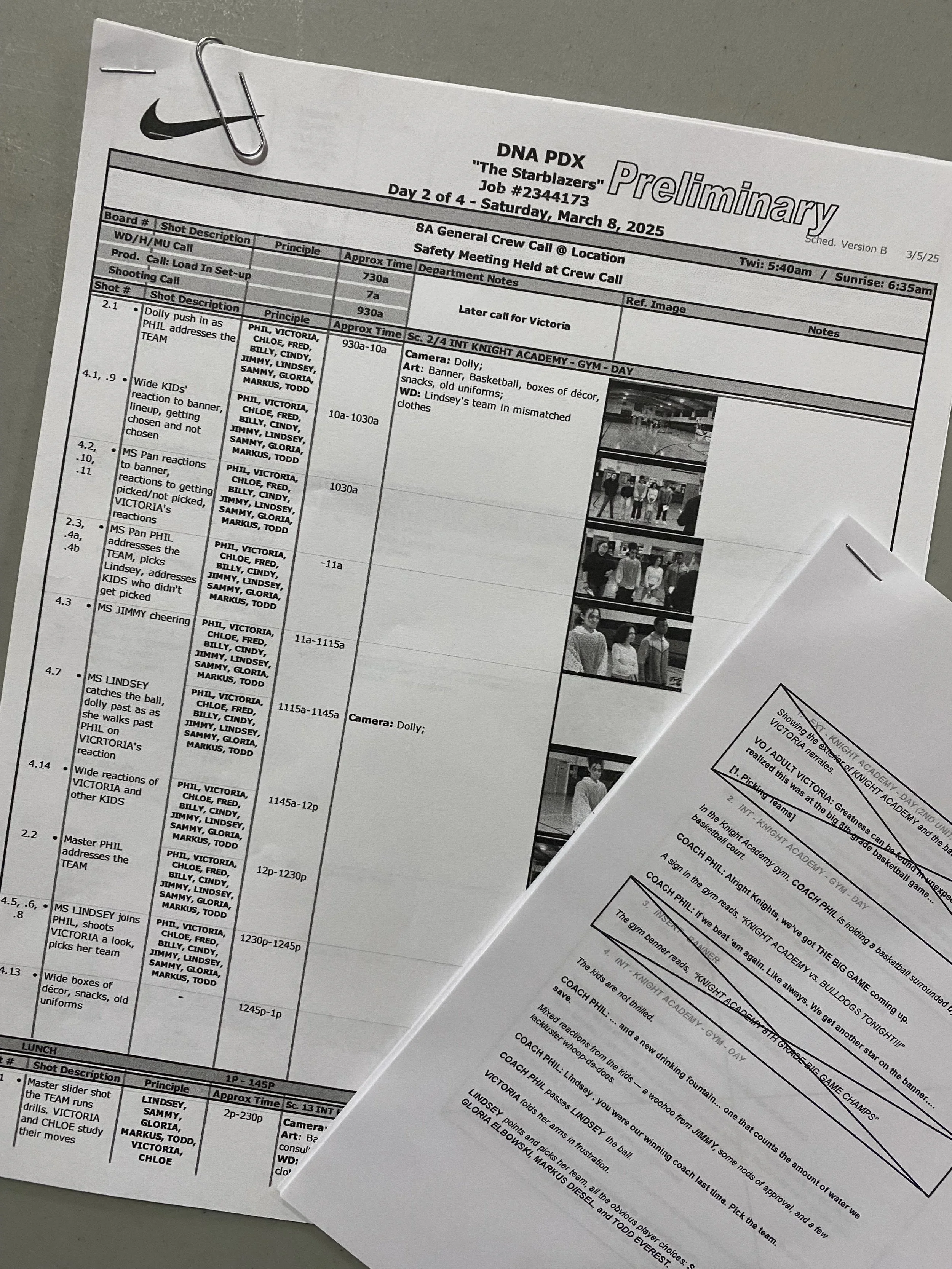
This was a dream project for me. I got to write a short film for Nike and shadow the creative production and director on set. In March 2025, I headed up to Portland and Nike HQ to see it all come to life.
How It Started
The story of The Starblazers began when I met Dave Norman at Jordan Brady's Retreat in Joshua Tree. We collaborated on a couple of spec spots for Nike and Columbia shoes, and the chemistry was immediate. When Dave pitched me to director Jared for a Nike DEI program project, I'll admit I had some initial hesitation—the term carries so much political weight. But it was Nike. My motto had to be "Just Do It."
Jared had a concept: a grade school basketball game where the kids who didn't get picked would start their own team. With that foundation and some character ideas, I was off and running.
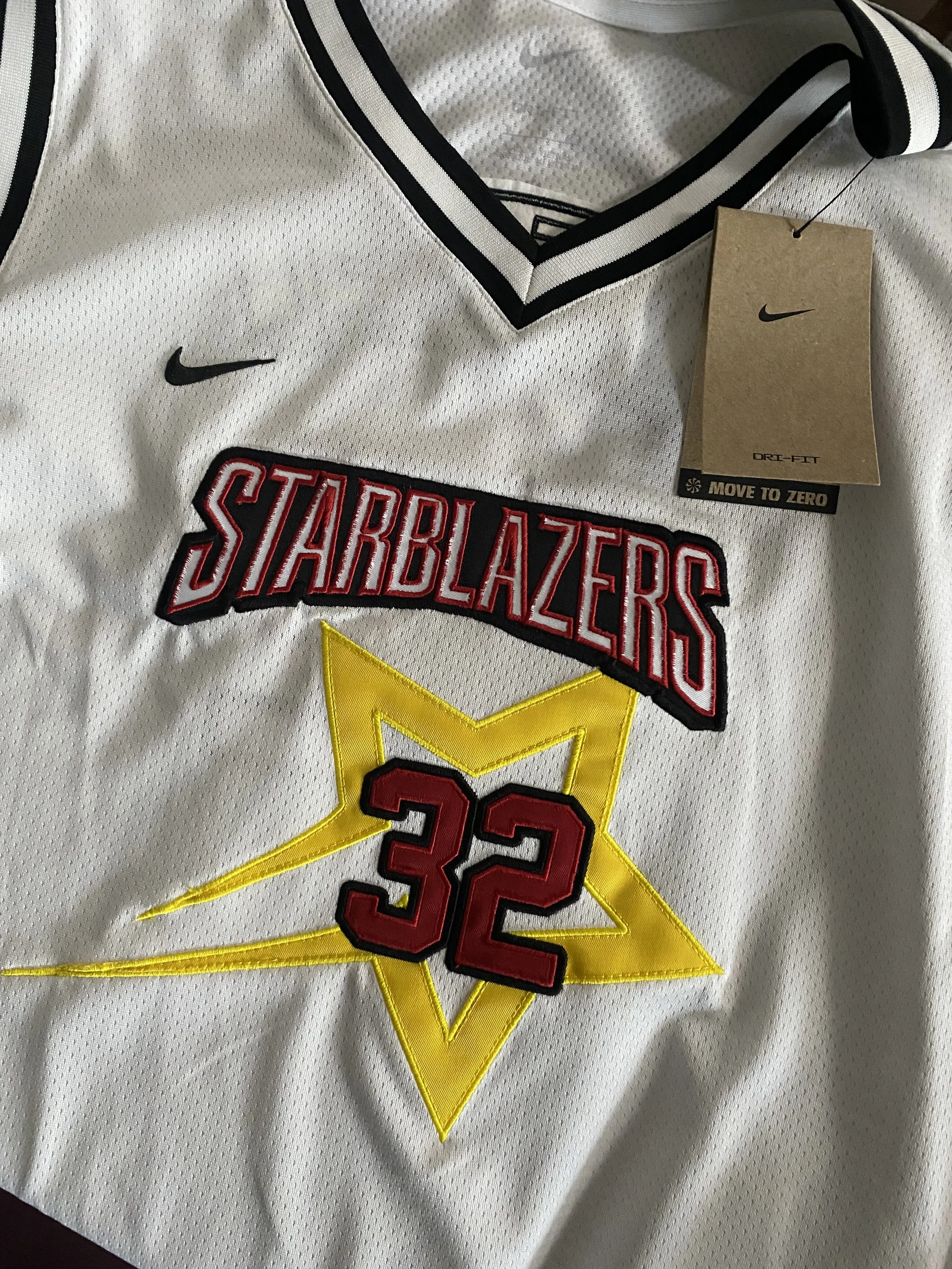
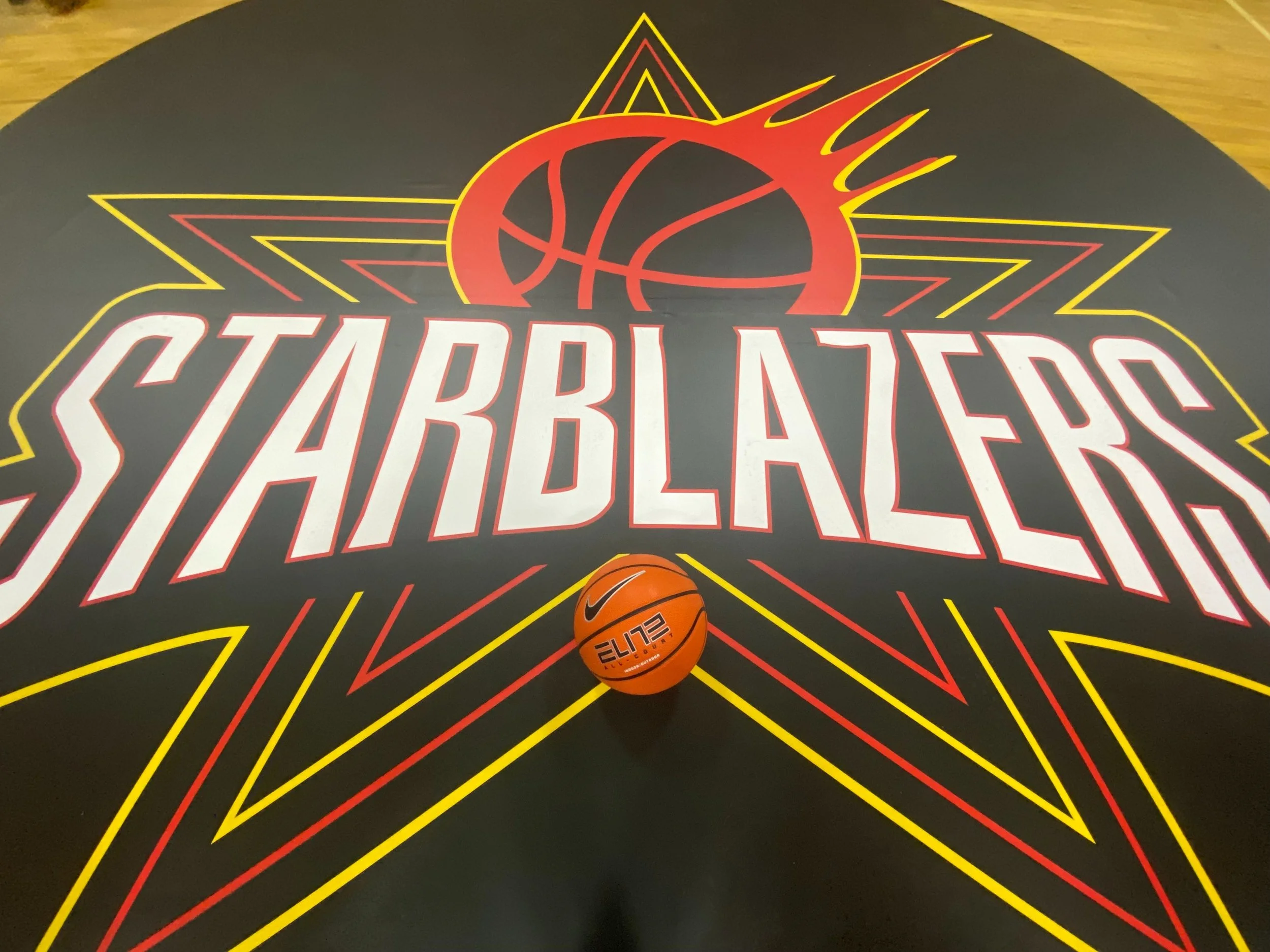
I developed the characters with names and personalities, created team names, and wove Nike DNA throughout the story. The Starblazers name came from the Blazers—the first Nike basketball shoe. The school became Knight Academy, honoring Phil Knight. We found natural ways to incorporate Nike's language and values into the script.
The Story Pivot
The biggest creative challenge was the ending. Initially, the non-athletic kids would play basketball against the star players and inevitably lose. When I'd explain this to family at Christmas dinner, people's eyes would glaze over—"what's the point of all this?" It needed grounding in an emotional truth.
The breakthrough came from a simple observation: strip away the fanfare, jerseys, contracts, and marketing, and sports would just be people playing around with balls and hoops. It's the people surrounding sports—the fans, the organizers, the creators—who make it meaningful. You don't have to be an athlete to be part of a team. The greatness we all possess is unique and special.
So I reimagined the "benched" kids as a team of designers, organizers, and creators—the people who make sporting events what they are. Instead of competing on the court, they'd use their unique talents to create an amazing game experience. They'd become the event planners, the hype crew, the ones making it all special. It didn't make sense for kids without basketball skills to force themselves onto the court. Instead, they'd discover their own greatness and contribute to something bigger than themselves.
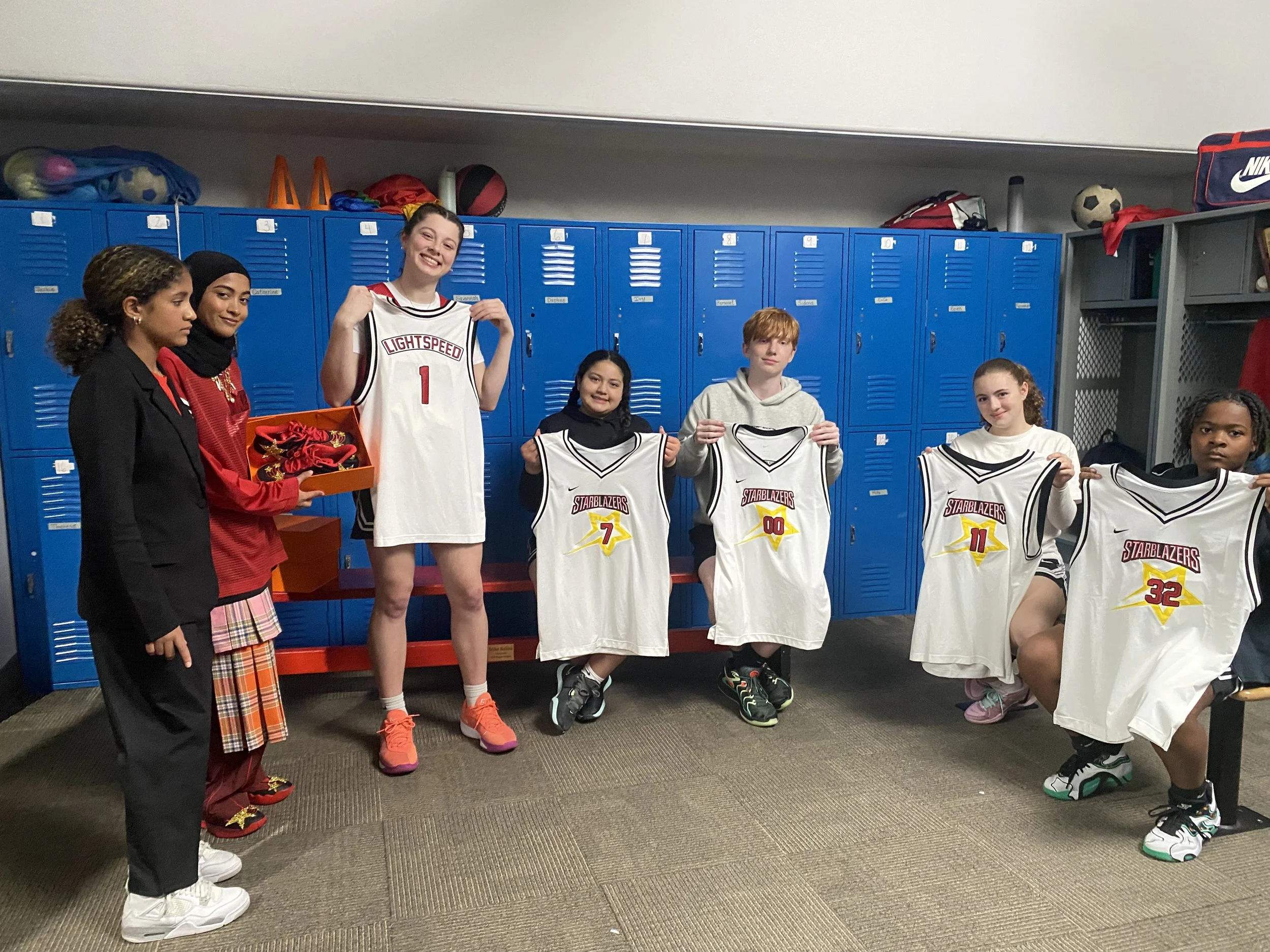
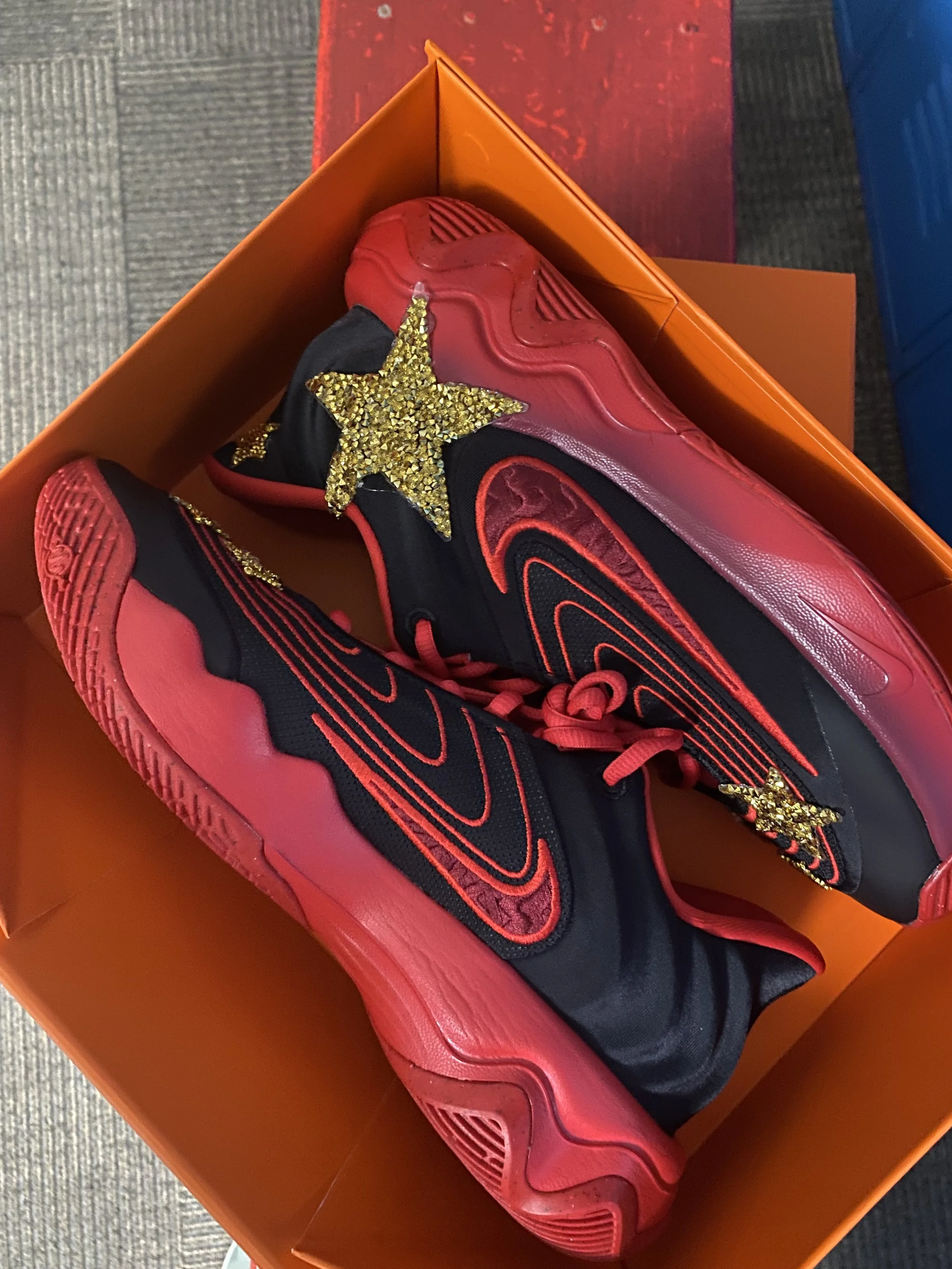
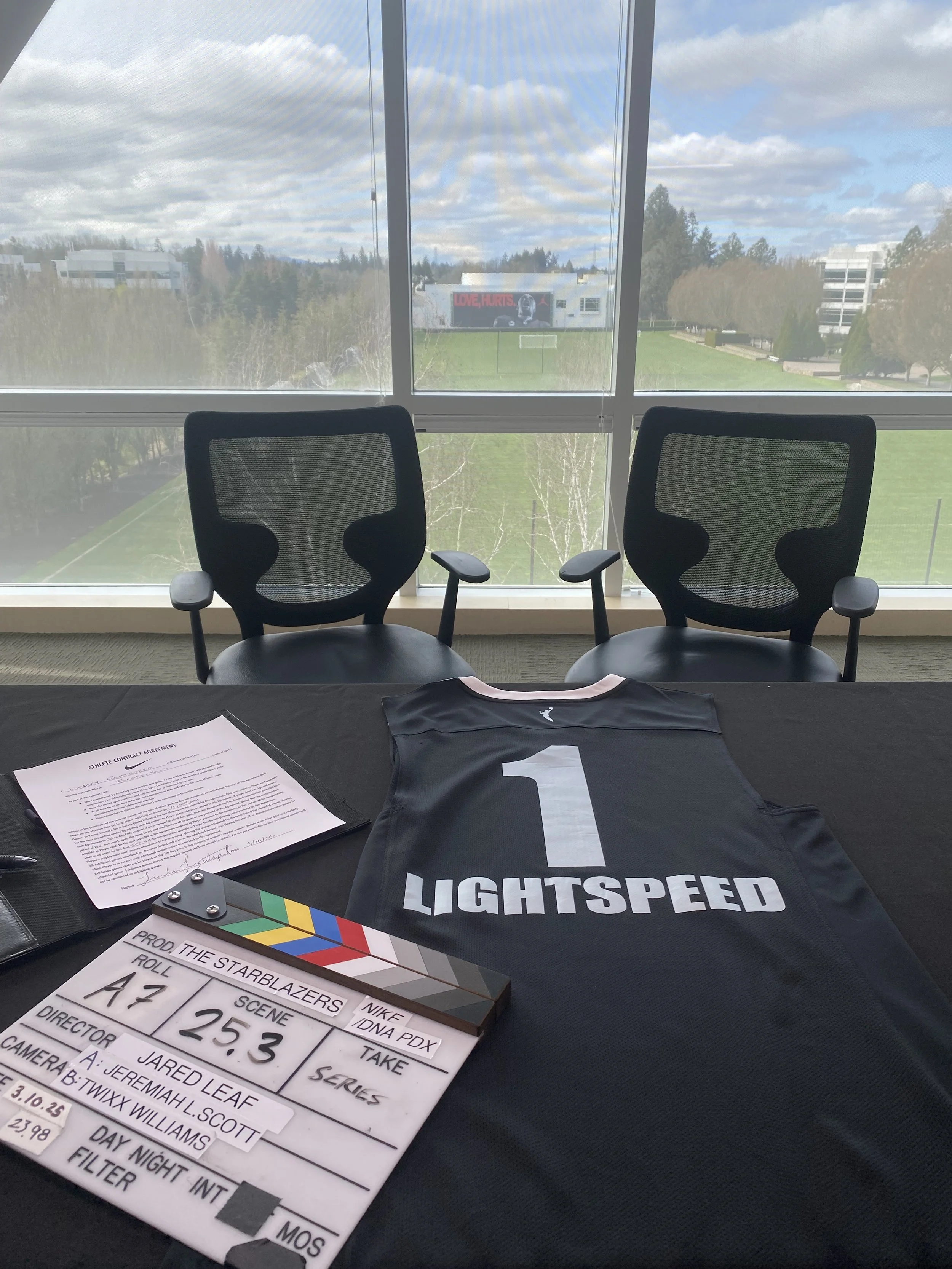
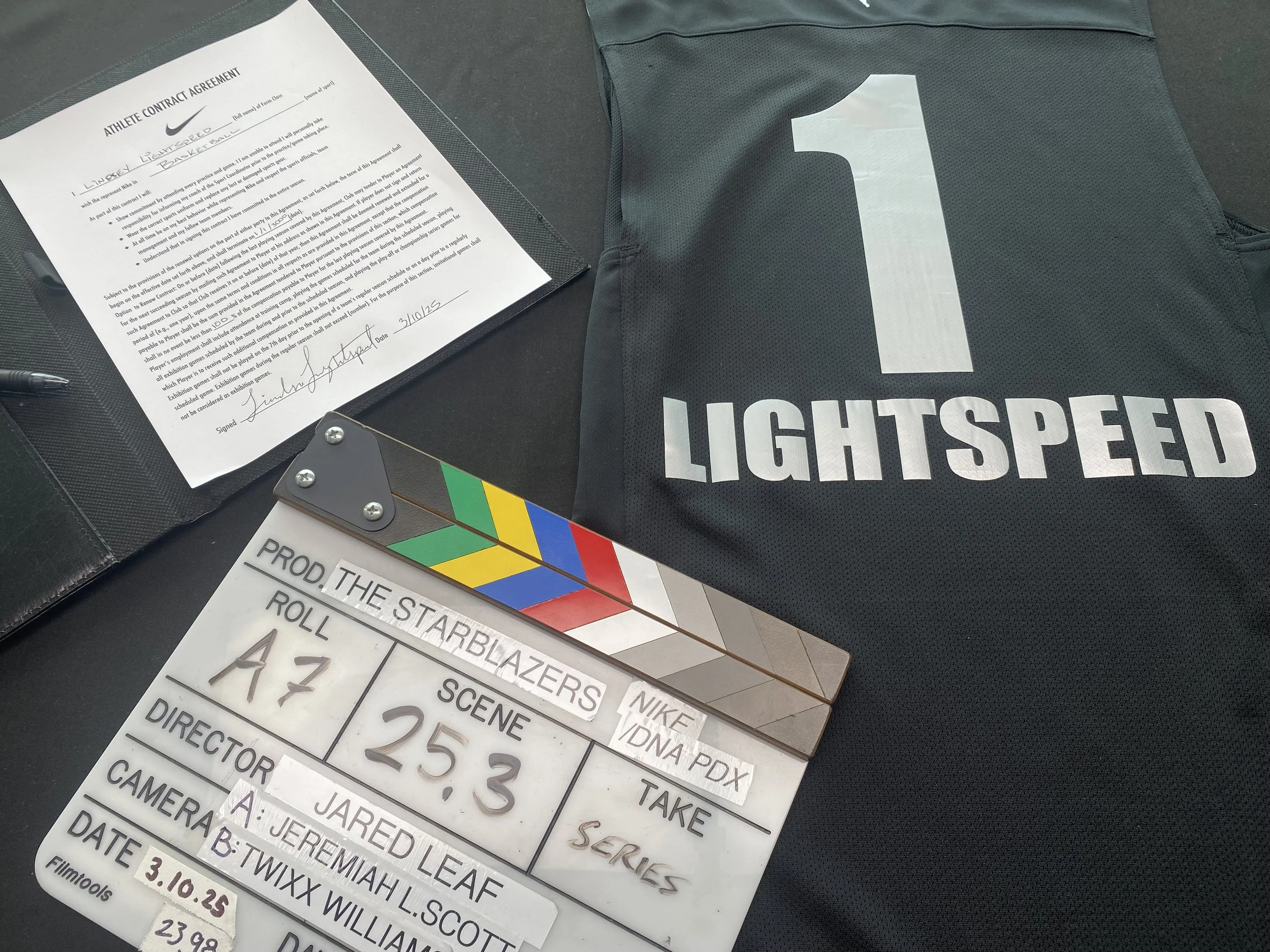
This unfolds when they deliver custom jerseys and specially designed shoes to the other team—a gesture that says "we need each other." At the story's end, we flash forward to Nike HQ where Lindsey Lightspeed (the star athlete) and Victoria Vanguard (the business maven) meet again as adults, signing a deal that shows how far they've come since finding mutual respect in grade school.
Pitching this story change was a risk, but my gut told me it was the only way to honor the project. Thankfully, Dave and Jared agreed. The message became: do the things that make you great.
The kids at St. Theresa were so inspired by the Starblazers name that they wanted to change their team from the Eagles to the Starblazers. That felt like a win.
On Set: Watching Magic Happen
The first few days of shooting brought the usual production realities—some casting adjustments, nerves, learning curves. But we had great talent, and I learned that sometimes you accept the hand you've been dealt and work with what you've got.
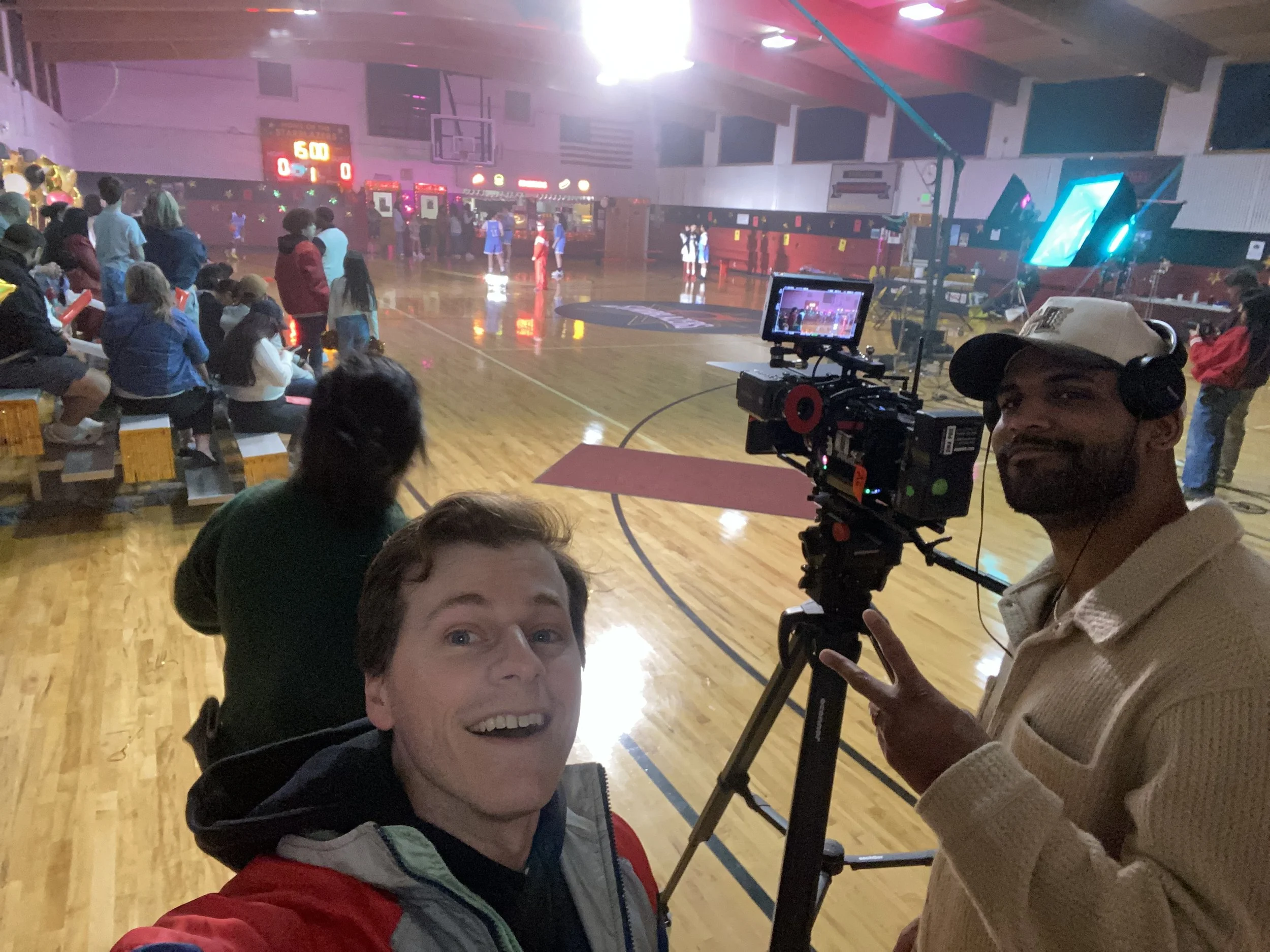
While shadowing, I paid attention to everything I could. I tried to keep the tone true to Nike while respecting that this wasn't my show. My role was to sit back, contribute ideas, and honor everyone's vision—though I did find myself being asked to speak up and help manage challenges. There were things I wasn't aligned on, but I wasn't in a power position to make unilateral changes.
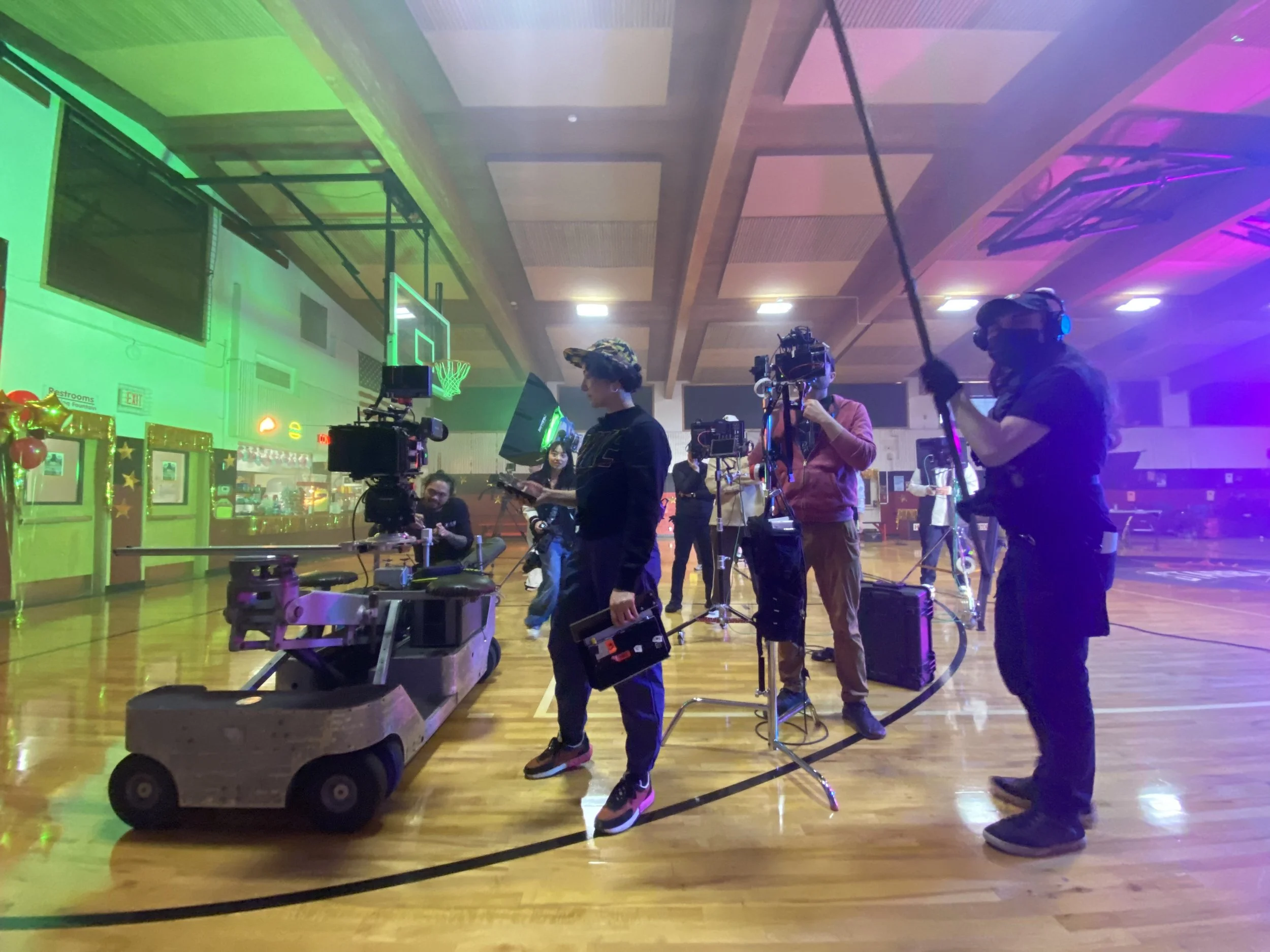
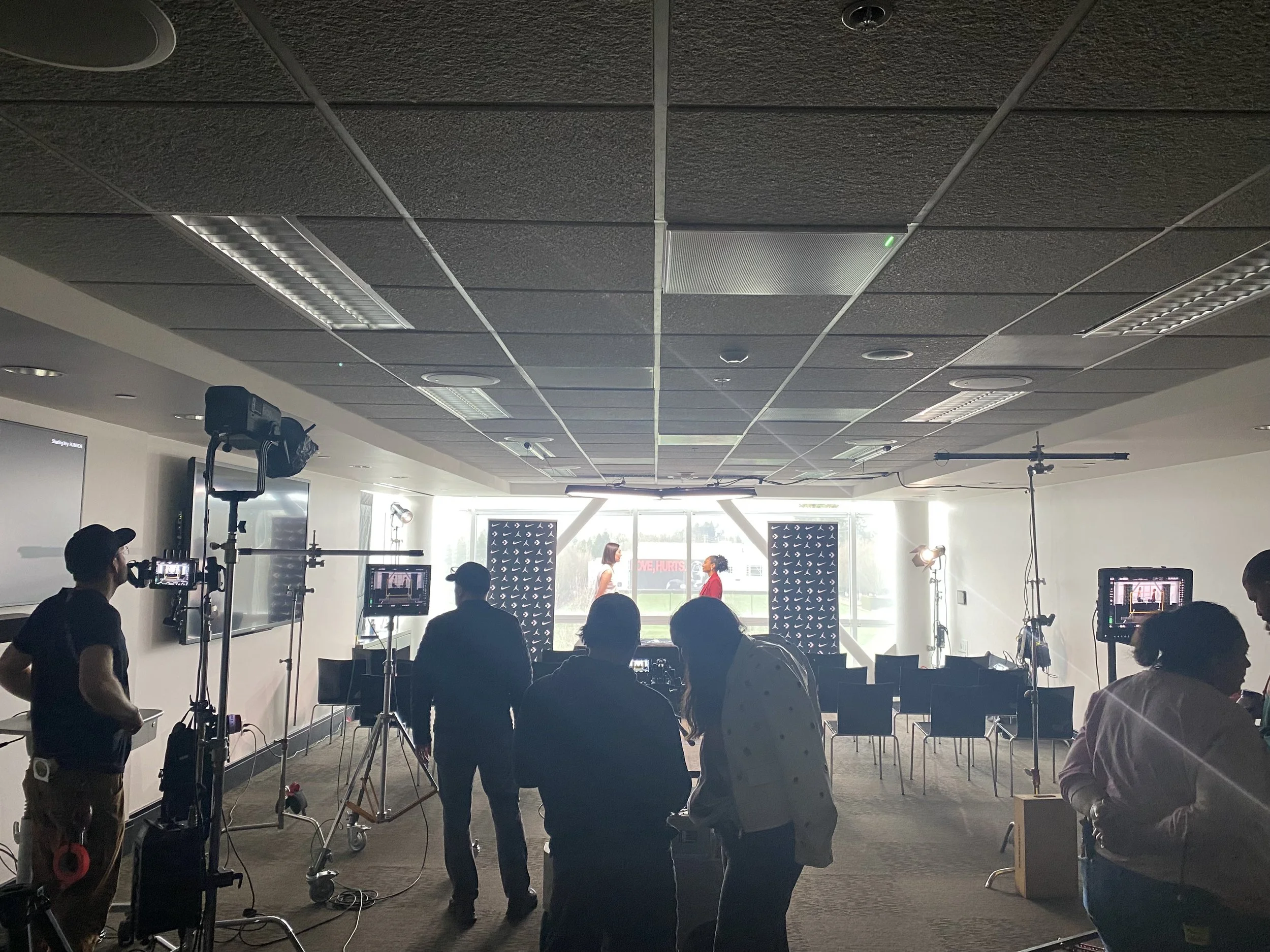
Challenges aside, watching the coordination was incredible. The prep and planning. The team had done a pre-viz edit with stand-in actors, so both Jared and Dave were always a step ahead.
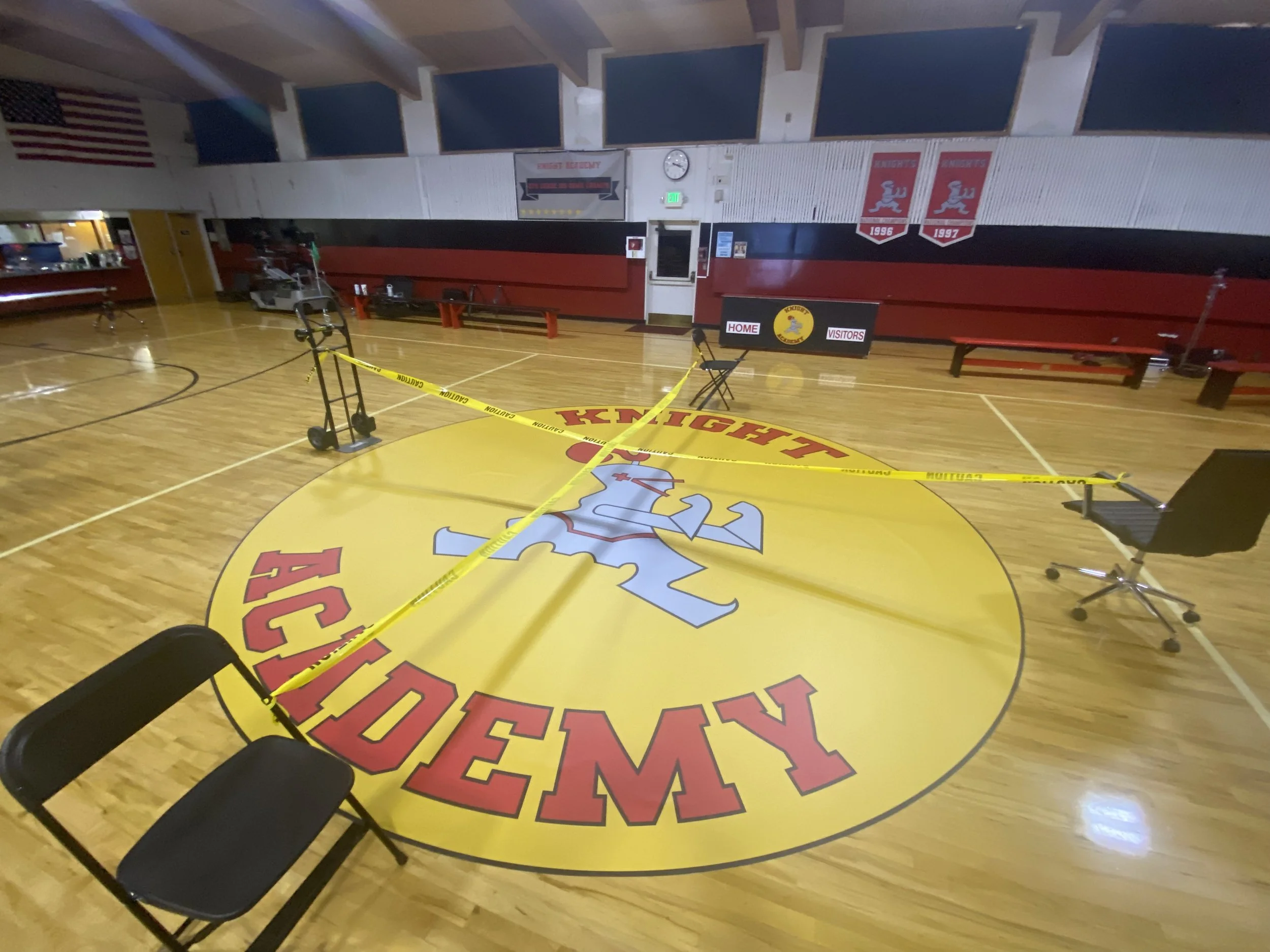
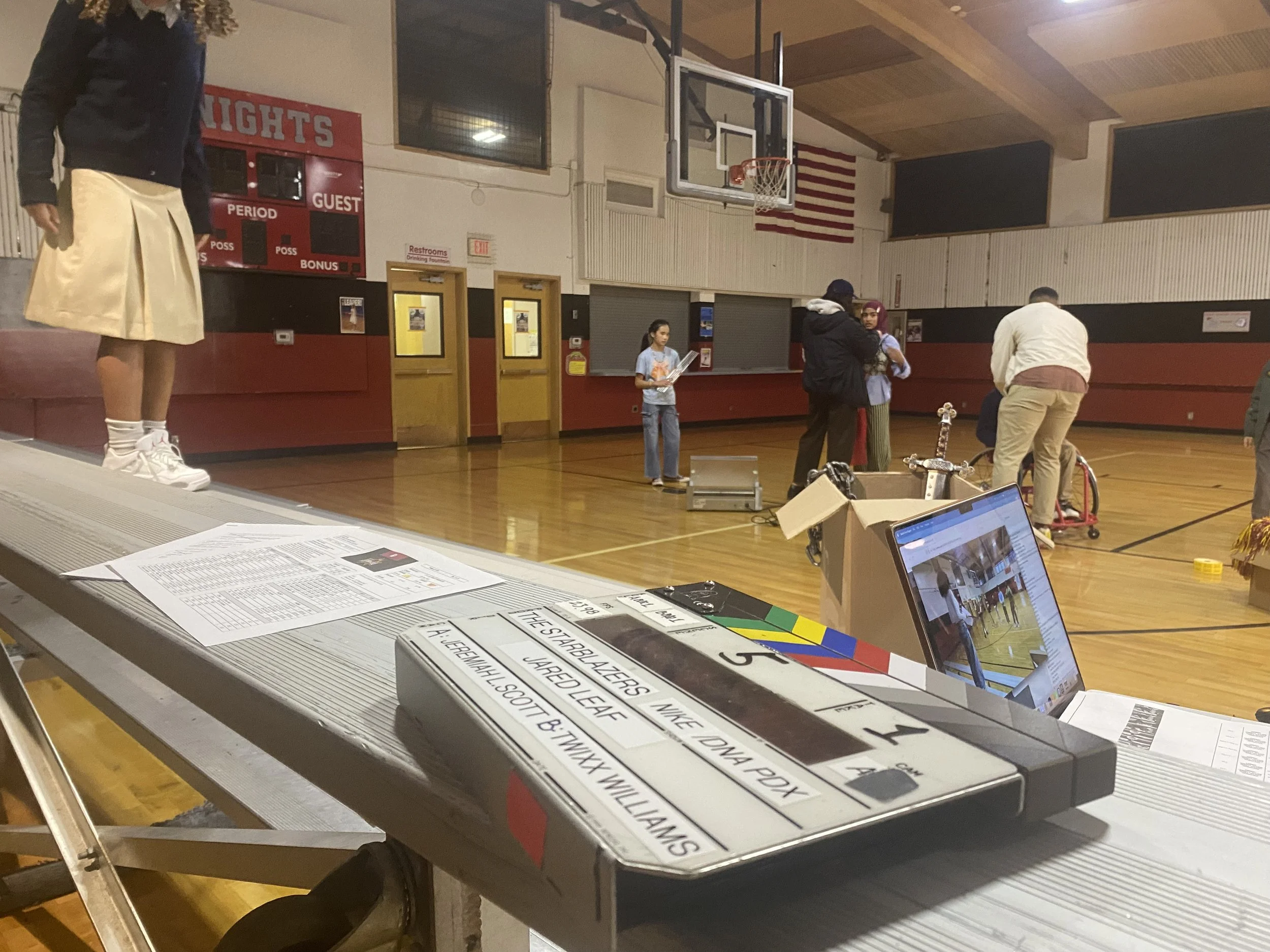
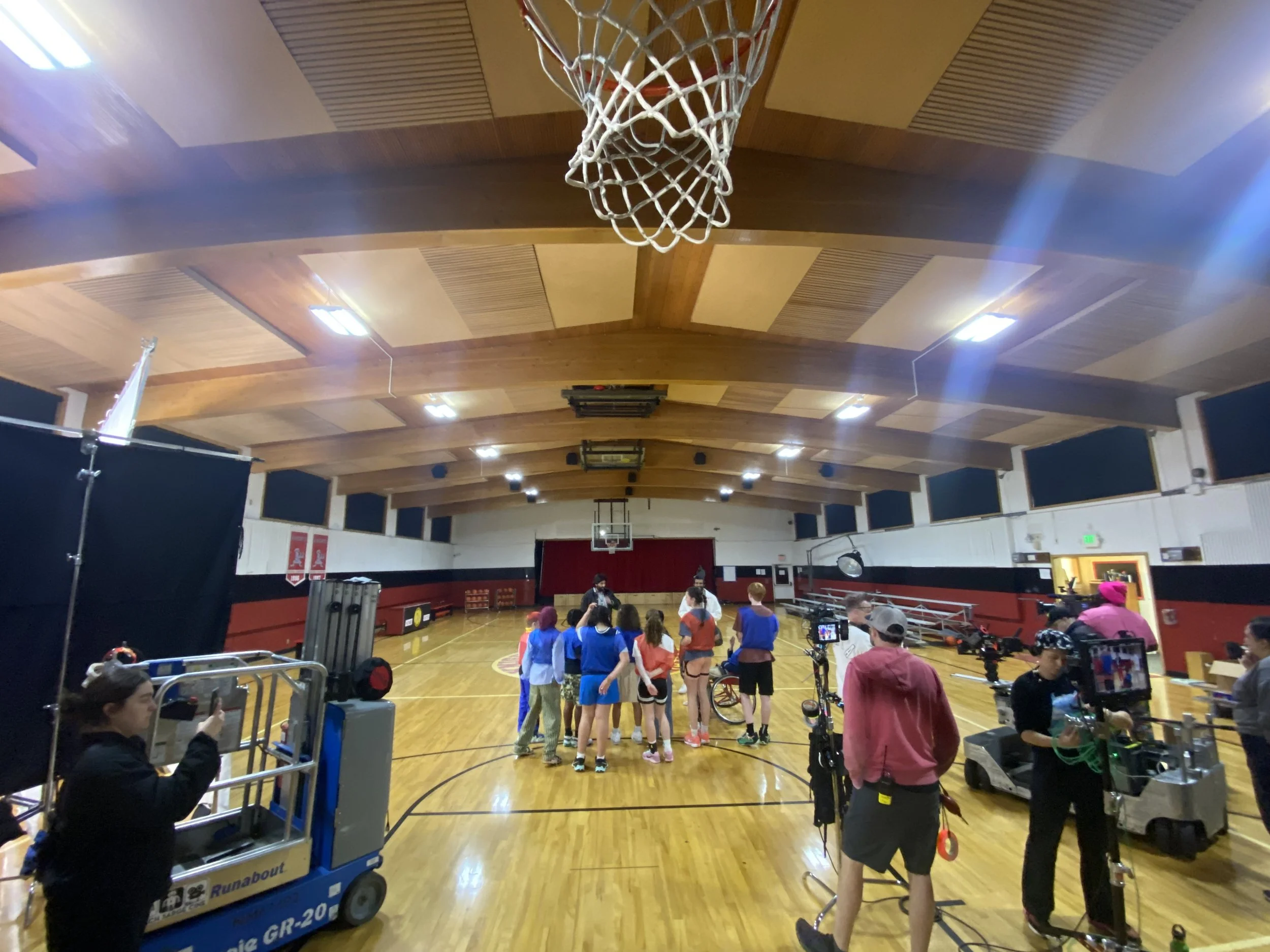
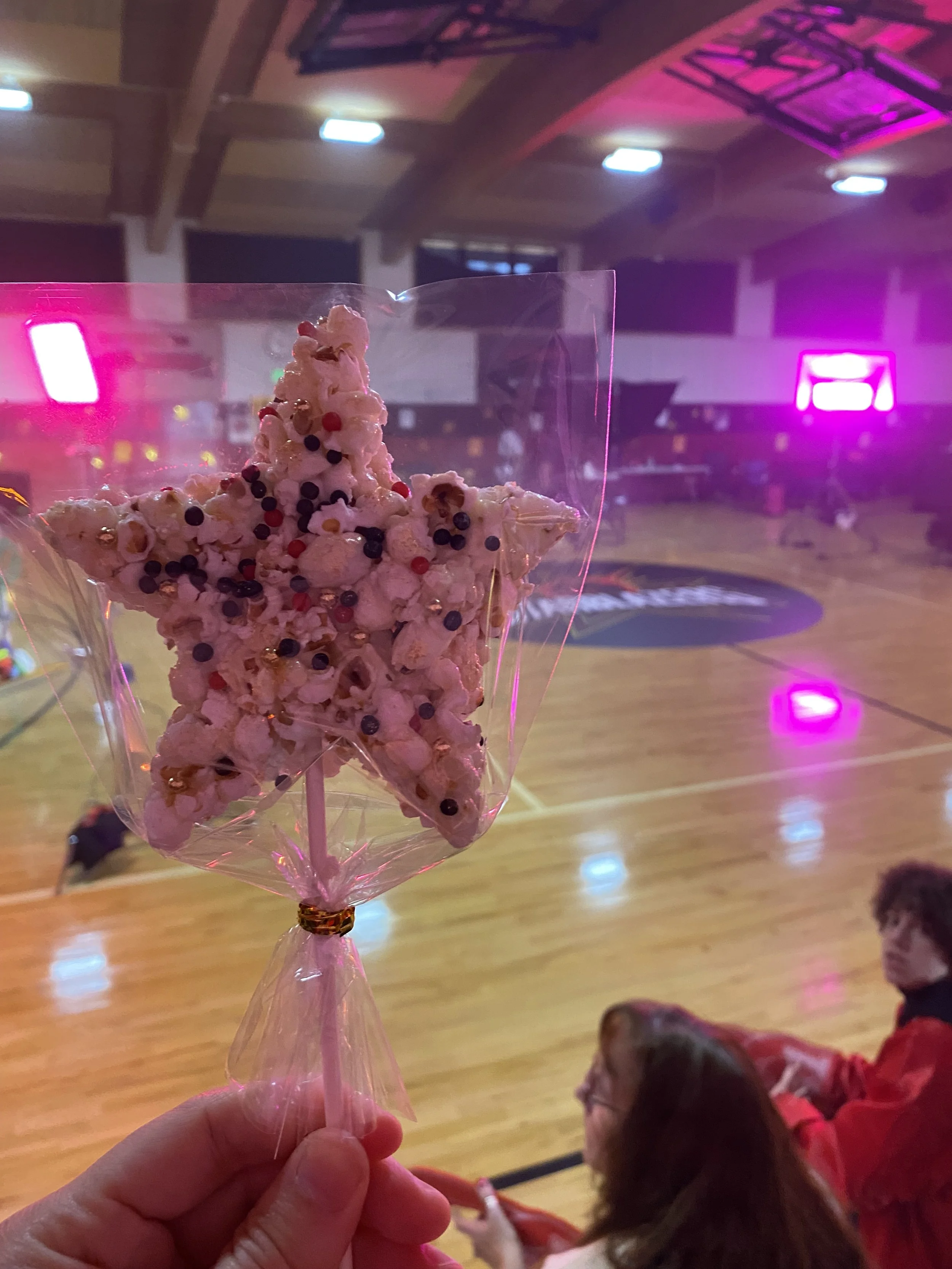
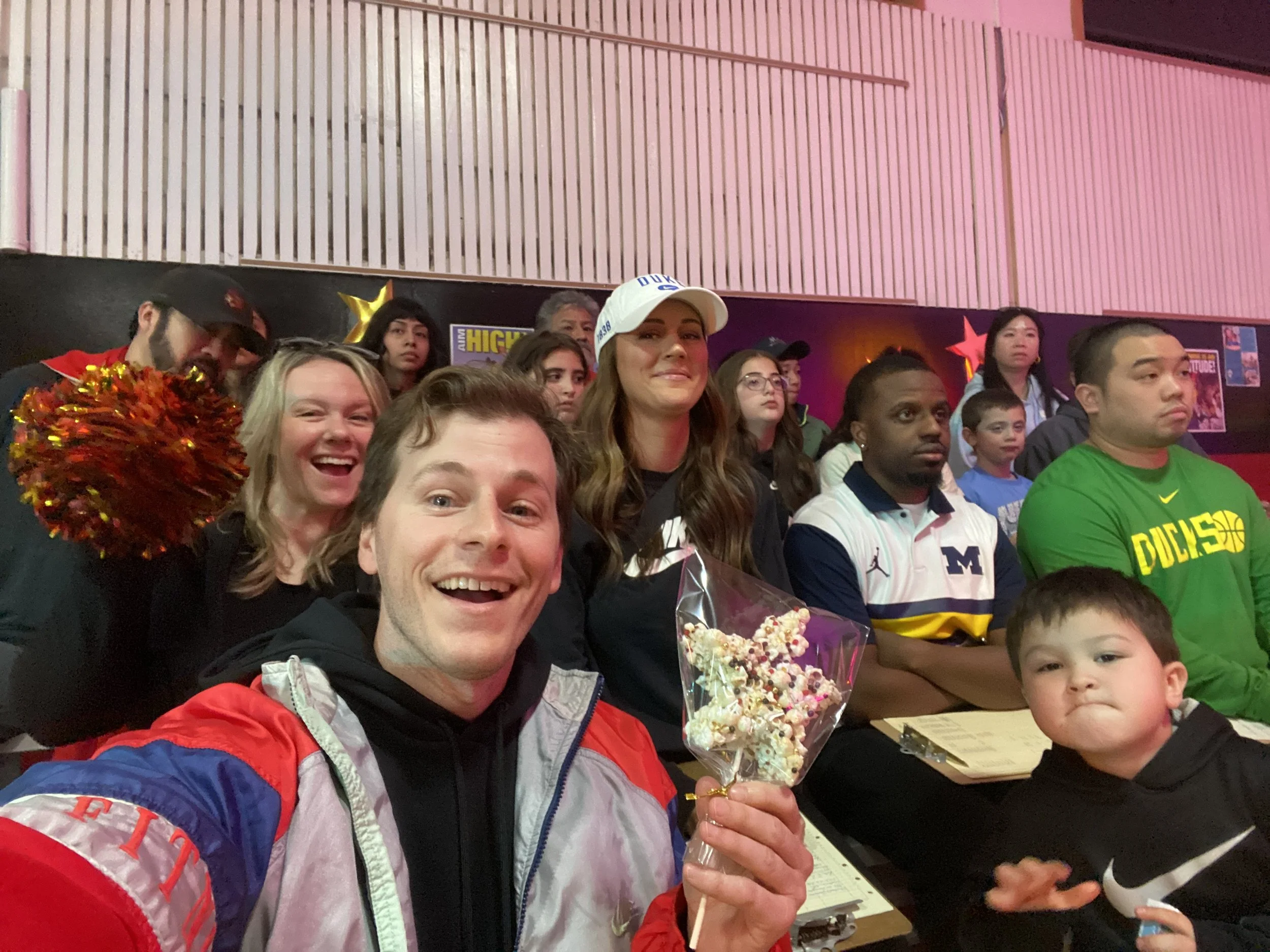
The prop and wardrobe crew created absolute magic. Sure, I'd put imaginative ideas down on paper, but seeing the time, talent, and attention to detail required to bring it to life was humbling. They made me believe these kids created the Starblazers. Star-shaped popcorn balls. Digital Starblazers tickets. A golden t-shirt cannon. A kid in a hype tracksuit with a mic dropping from the gym ceiling. Smoke machines, laser beams, and stars covering the walls. Neon lights over the concession stand. Custom Nike Starblazers shoes and basketball jerseys with character names on the back. They transformed that gym with banners and a giant center court decal. A whole world came to life.
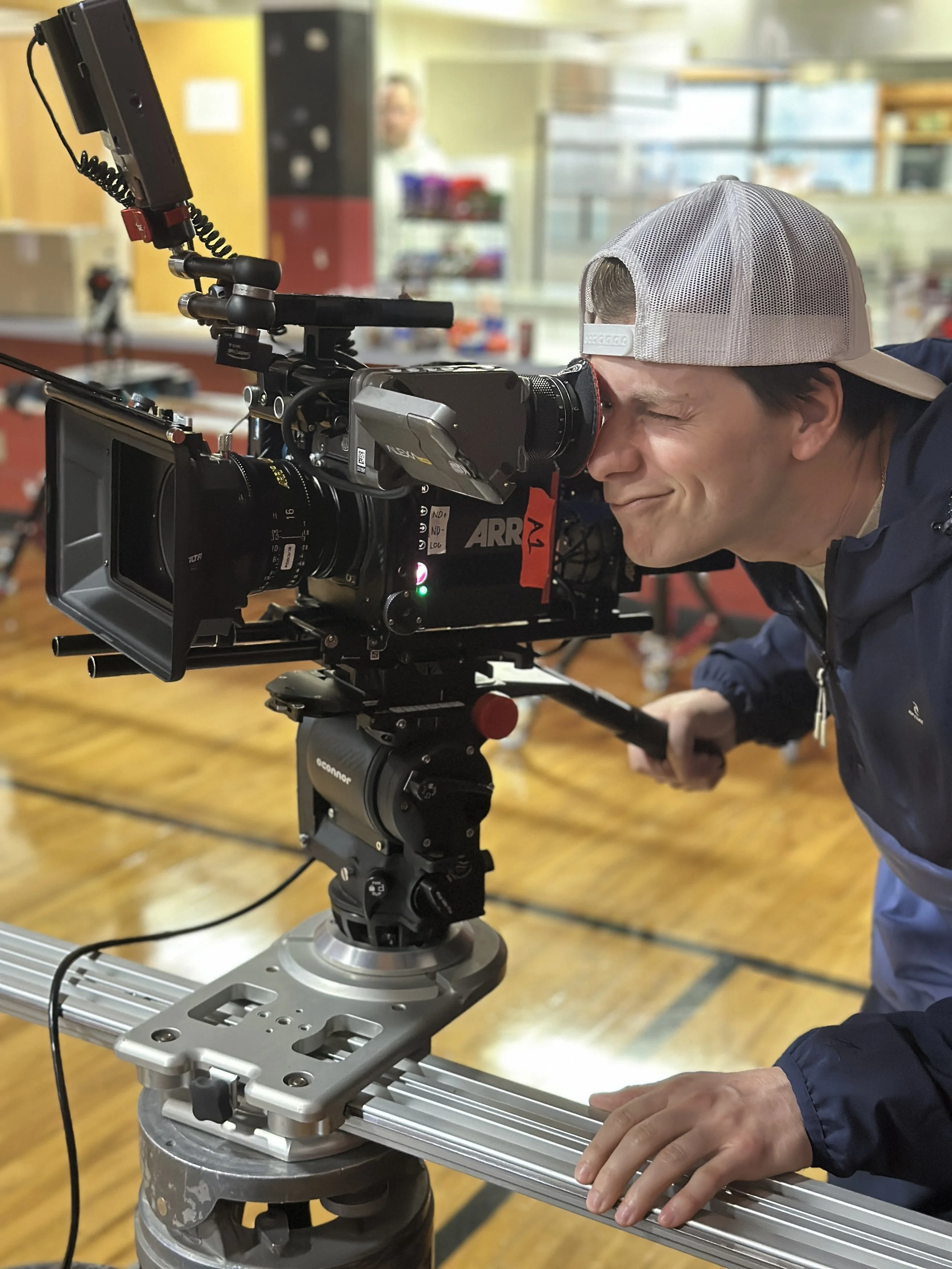
I soaked it all in. Watching rehearsals and the director coach actors. Watching controlled chaos become coordination. Learning from people handling pressure with calm demeanor. I paid attention to the lighting crews, the AD and AC's attentiveness, the focus puller, the sound crews. The grips constantly in motion. Everyone had a part to play. I'm always in awe of the people who pour their time, sweat, and creative energy into bringing stories to life. I'm never quite sure how to thank them properly.
Navigating Creative Differences
There were moments of intensity—differences in vision between the director and the creative team about tone and character choices. The coach character was the biggest discussion point. Some things could have been sorted out upfront with better communication, but we dealt with them in the moment.
I noticed the workflow could have been smoother. In typical agency productions, the director checks in with the client and creative team between takes to ensure alignment. That rhythm wasn't established here, which made things challenging. Sometimes takes felt off-mark, like things were drifting. In the ending scene, an actor improvised jokes about unsafe water when he should've been excited about the new drinking fountain. In the big game arrival, kids were physically shoving the coach, making the action feel too aggressive. The comedy sometimes came out heavy-handed or the acting sailed over the top—moments where I thought, "not how I would have done it."
The director wanted the coach to be a big character, but the creative team envisioned someone more sincere, caring, and endearingly silly—very likable but not oddball. Eventually, we aligned by having conversations and getting the client involved. The client is ultimately the guardian of the brand voice, but we also wanted the director to bring his own taste and ideas to the set.
Speaking up required finesse. I'd ask, "Can I give you a note?" or "May I try something here?" Sometimes there was pushback, but I maintained respect for different perspectives while staying true to the Nike tone. Eventually, we made it right.
I also noticed the young actors could have used more positive reinforcement between takes. I'd see kids pour their hearts into a scene, then hear "cut" followed by dead air. I found myself wanting to clap and say "That was great!" A little enthusiasm goes a long way in building confidence and energy.
There were small moments where I offered input that helped: suggesting Lindsey and Victoria shake hands like young leaders—no limp wrists and spaghetti fingers, this was a power shake! Or positioning Frederick the ticket checker behind the podium without apple boxes, so just his head showed—making it funnier when he pops up to stop the towering coach.
What I Learned About My Strengths
I'm pretty good at my role in this massive collaborative effort. I notice what scenes need. I can improvise on set and offer ideas in the moment. I have a vision for comedy and timing that serves the work. I also made a cameo in the crowd—versatile! And yes, I wrote the script that brought this all together.
If there's one place I can own my abilities with confidence, it's here. I wrote a stellar story. I solved creative problems and designed a script that made sense. I needed my heart to be in this project, and once I found that emotional core—that sports are made meaningful by the people around them—everything clicked. Confidence in your abilities matters.
The Nike Experience
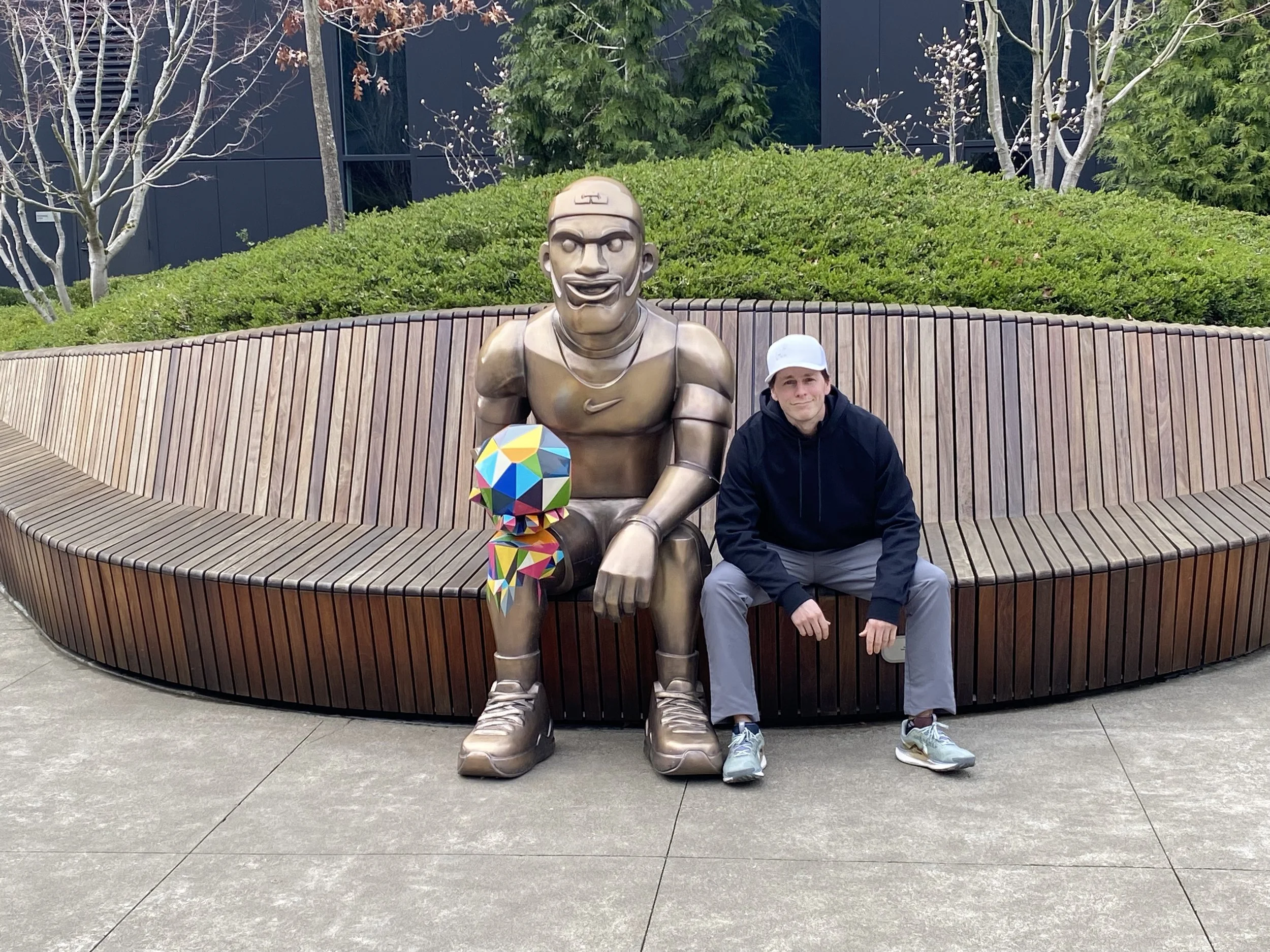
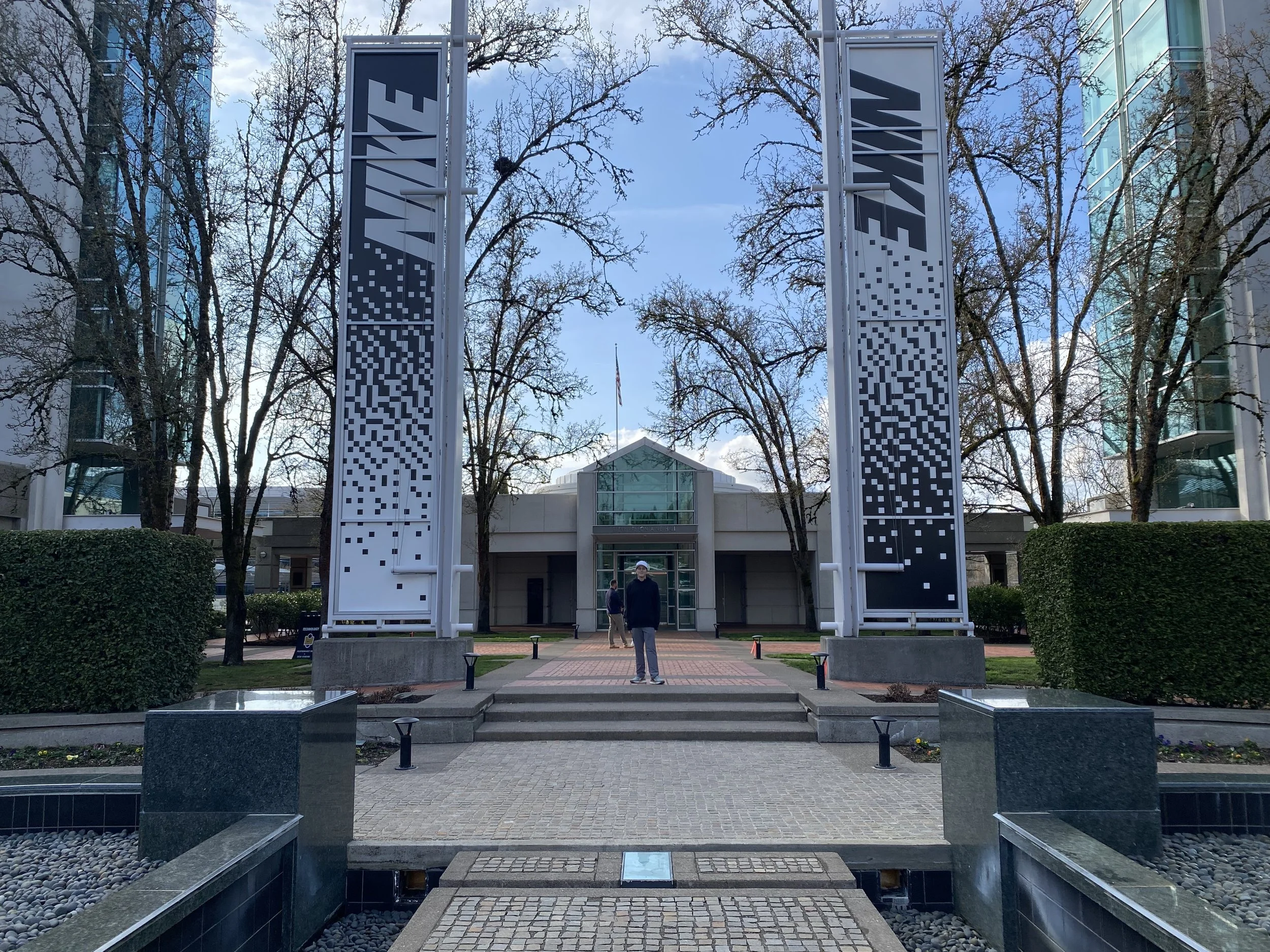
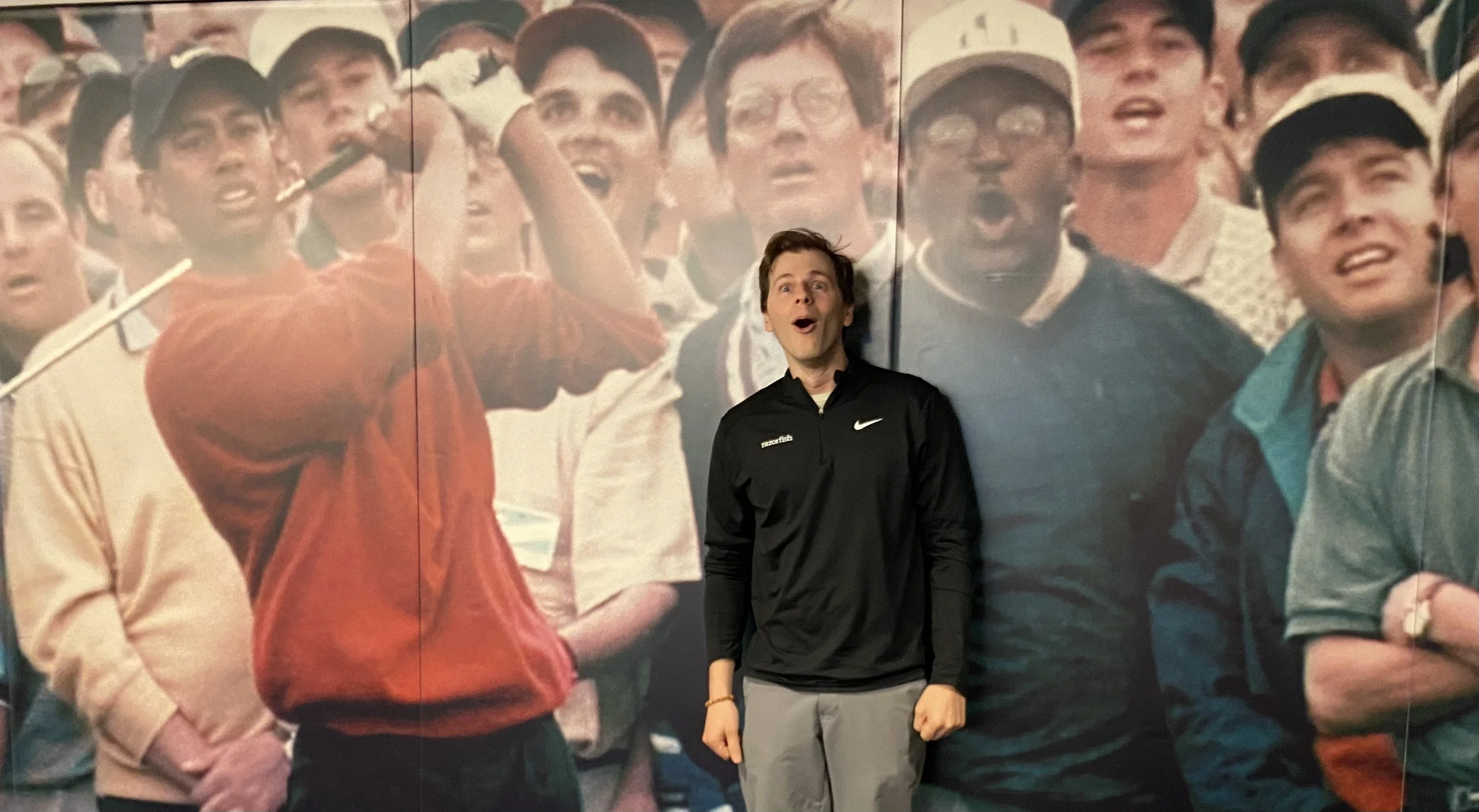
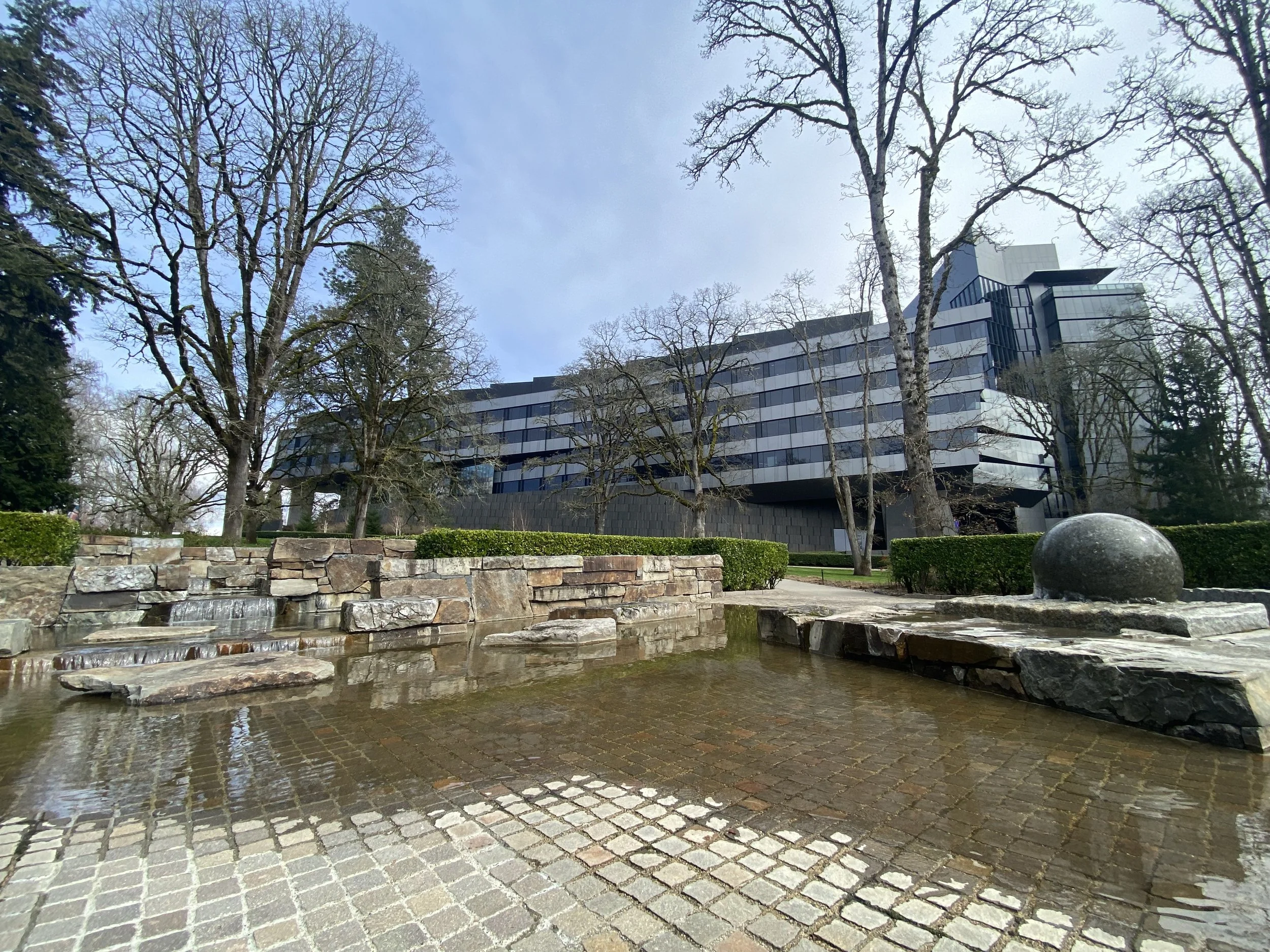
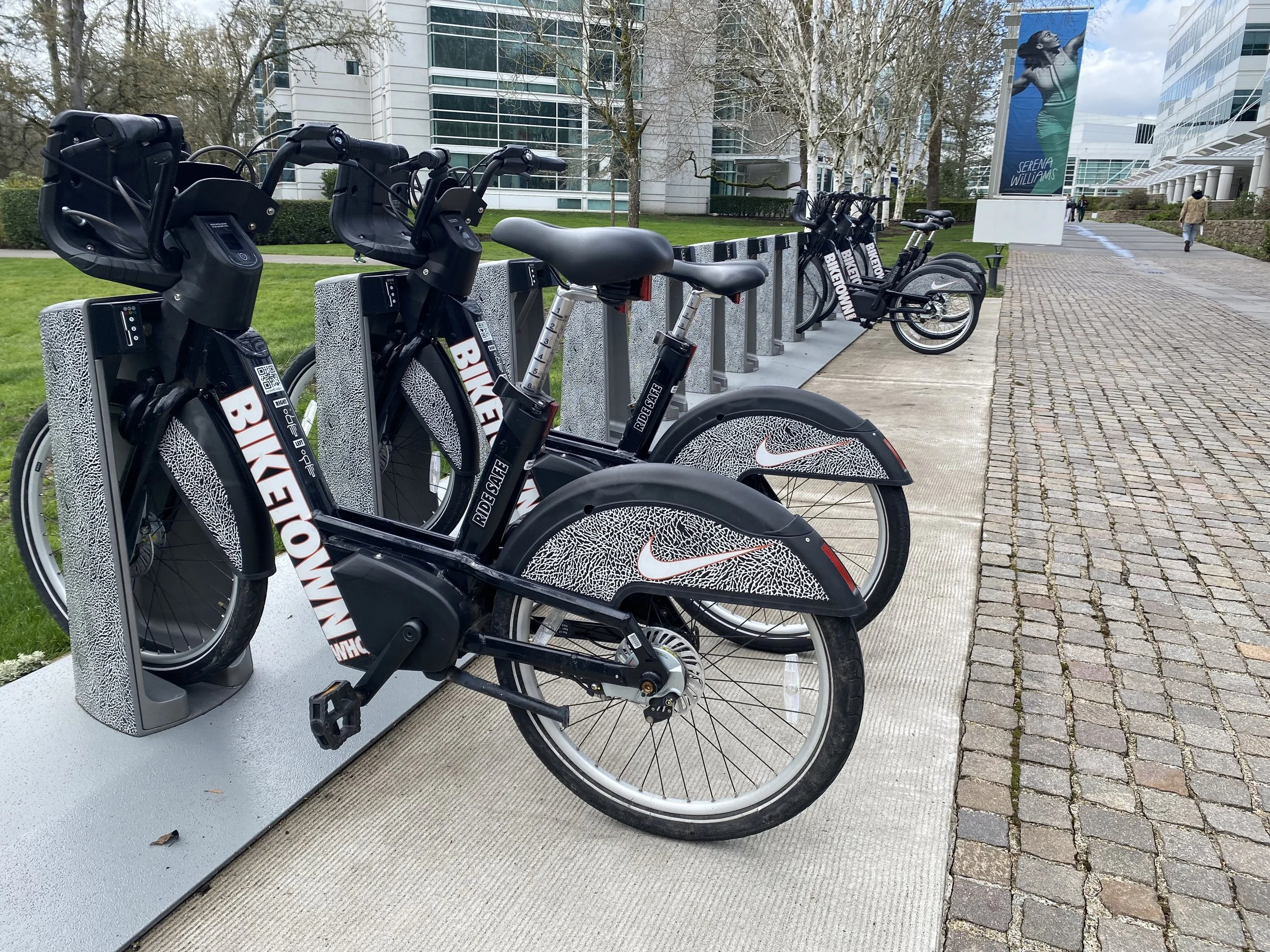
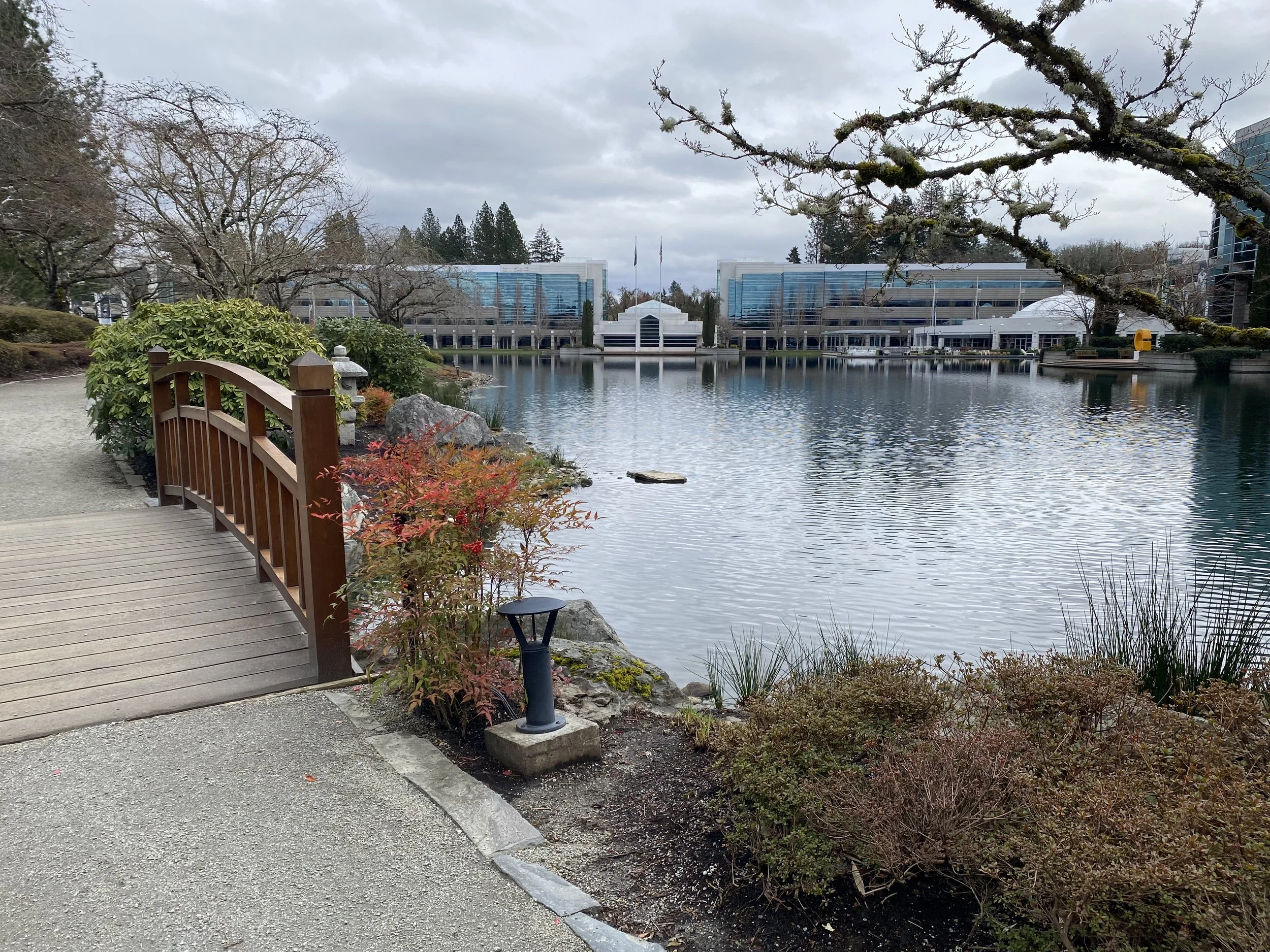
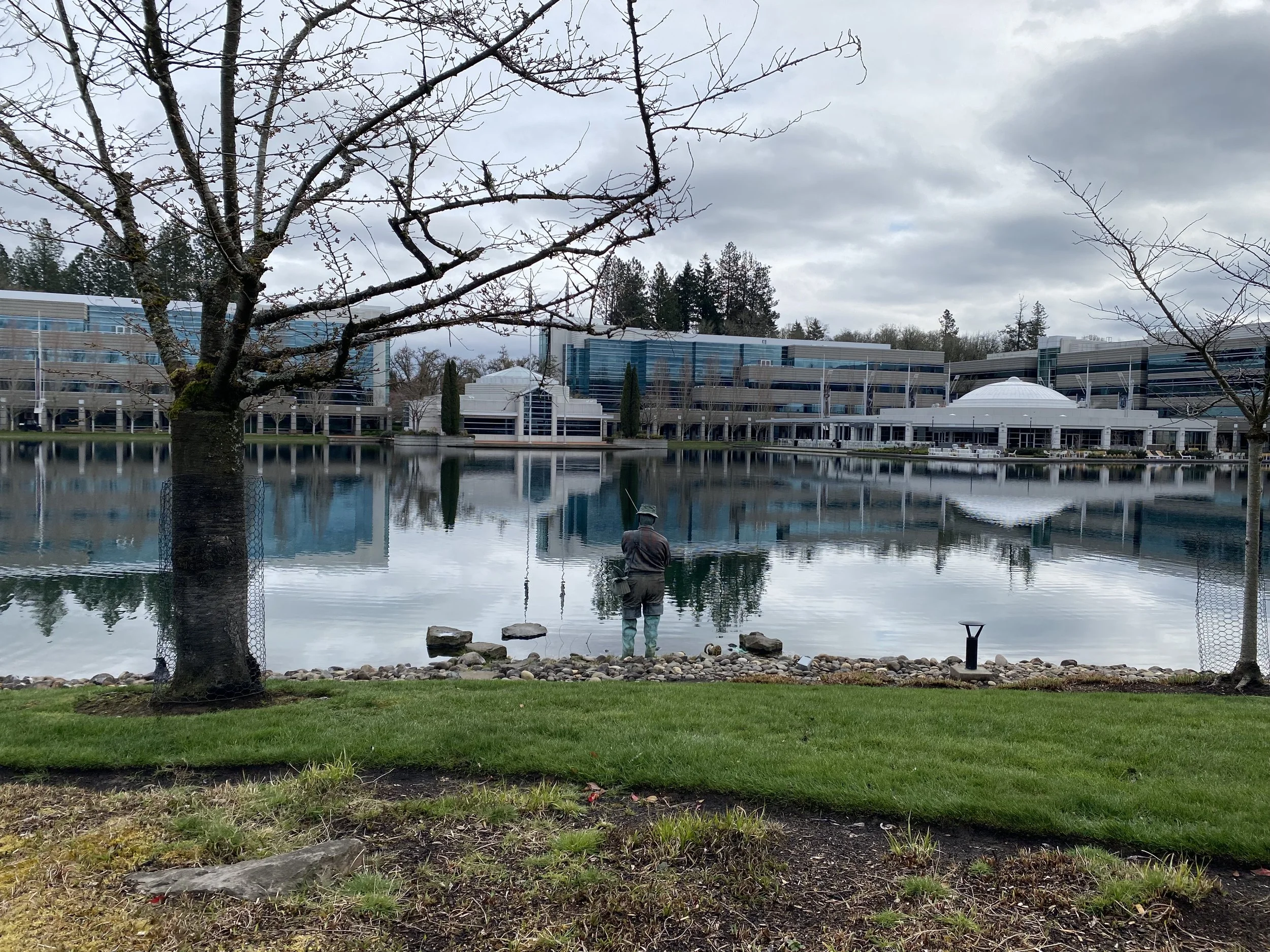
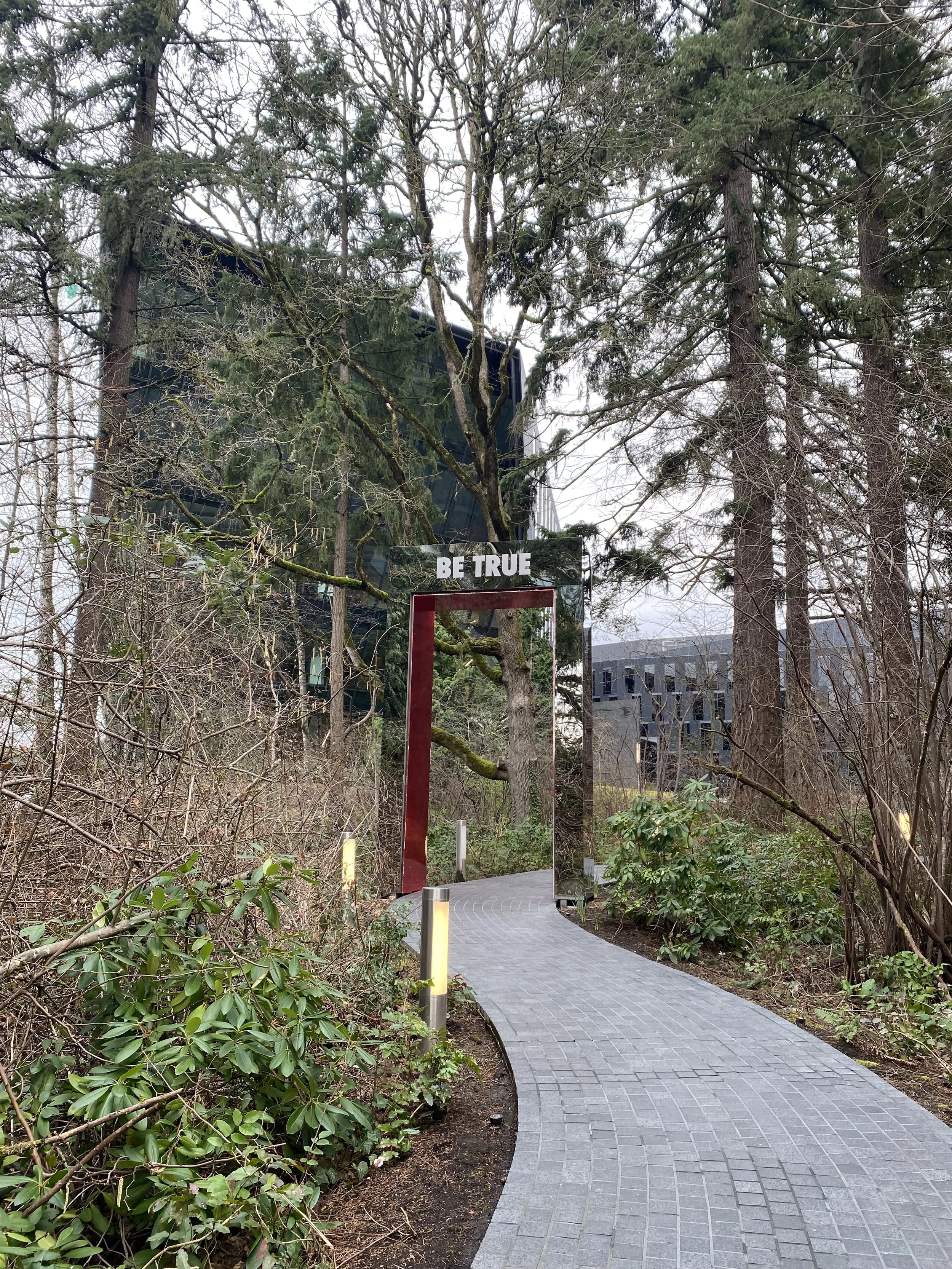
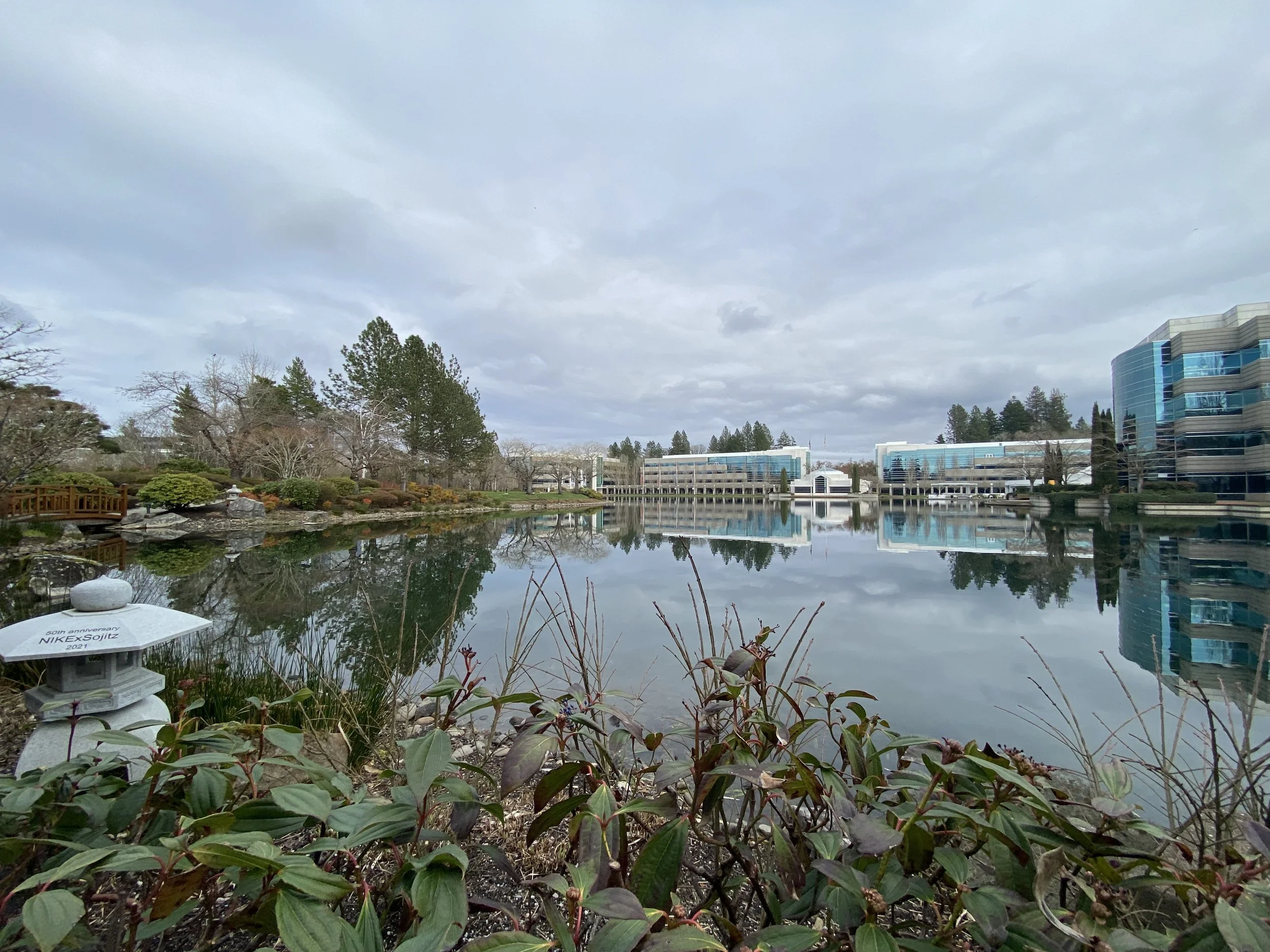
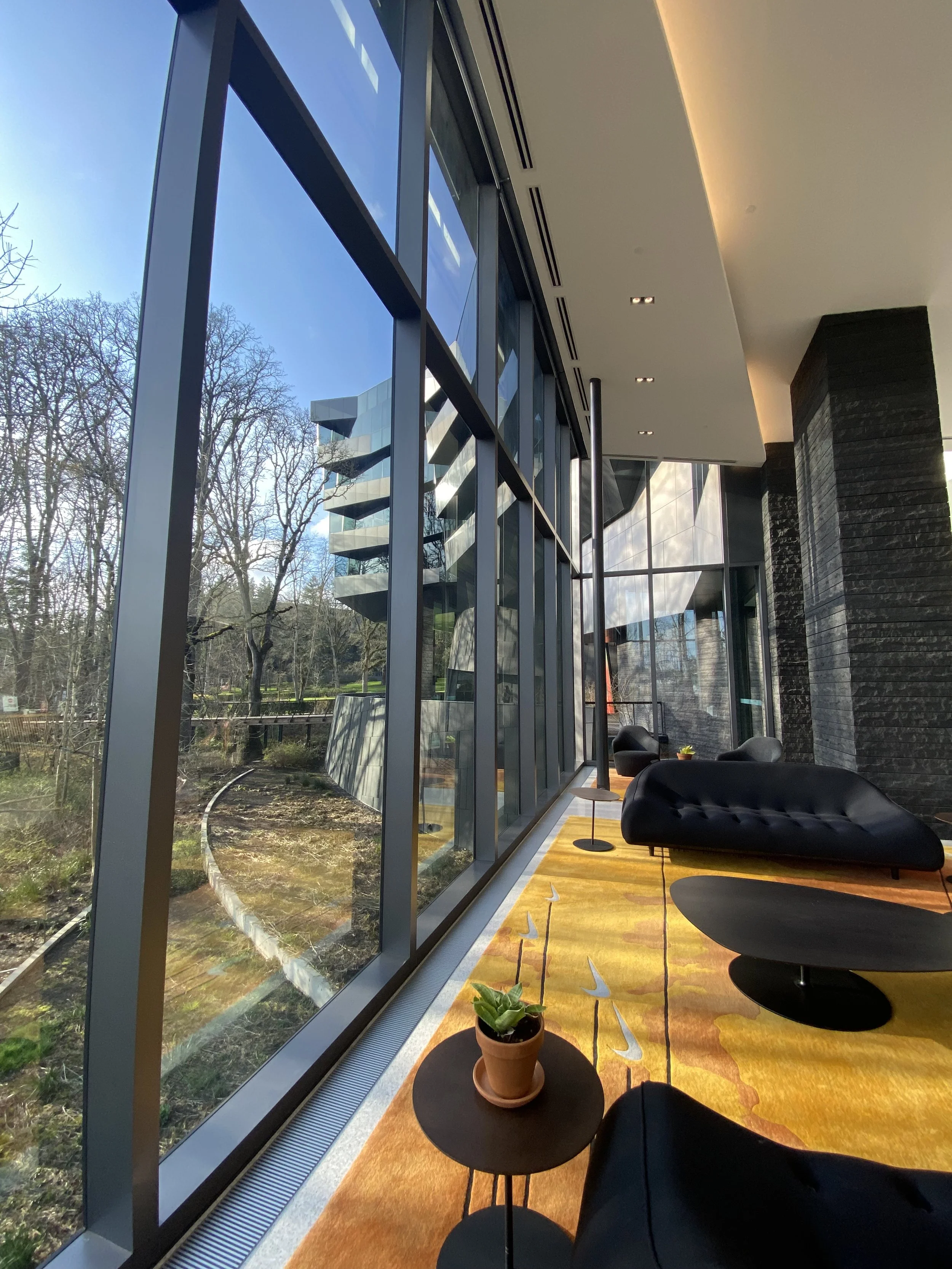
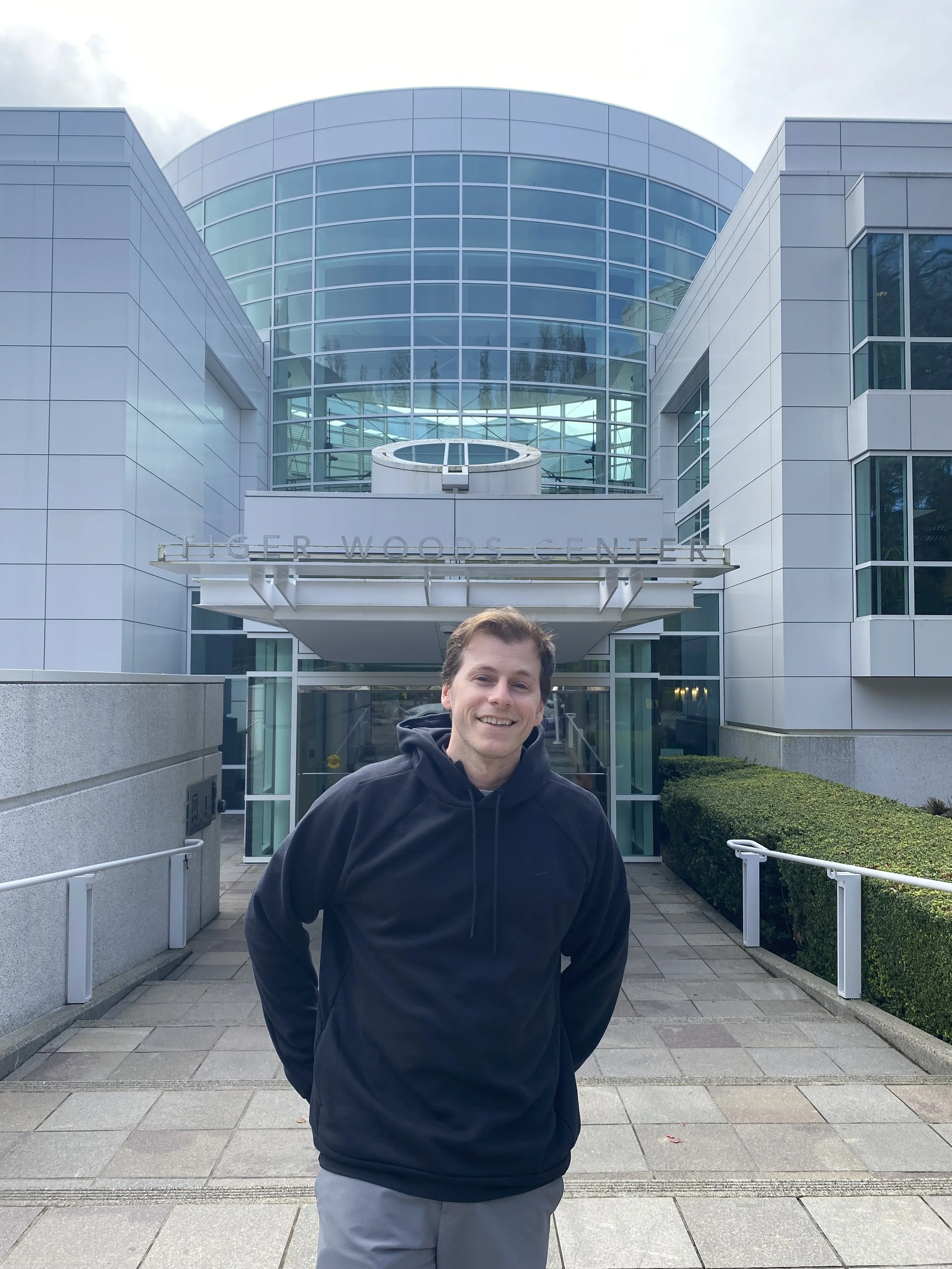
Touring the Nike campus with Tobin felt surreal. I was like a giddy kid visiting the college of my dreams, except this was a place where I'd get paid to create. I also hit the Nike employee store and scooped up an entire fleet of new socks—white and black in every cut. My sock game is legitimately strong right now.
There was a moment on set when I realized I was standing on solid creative ground. Walking around Nike's campus—those buildings that honor great athletes, art, design, creativity, and architecture—I felt the weight of what we'd accomplished. Dave looked at me and said, "You wrote something that inspired Nike."
He was right. And I humbly thought to myself, "That's 100% true."
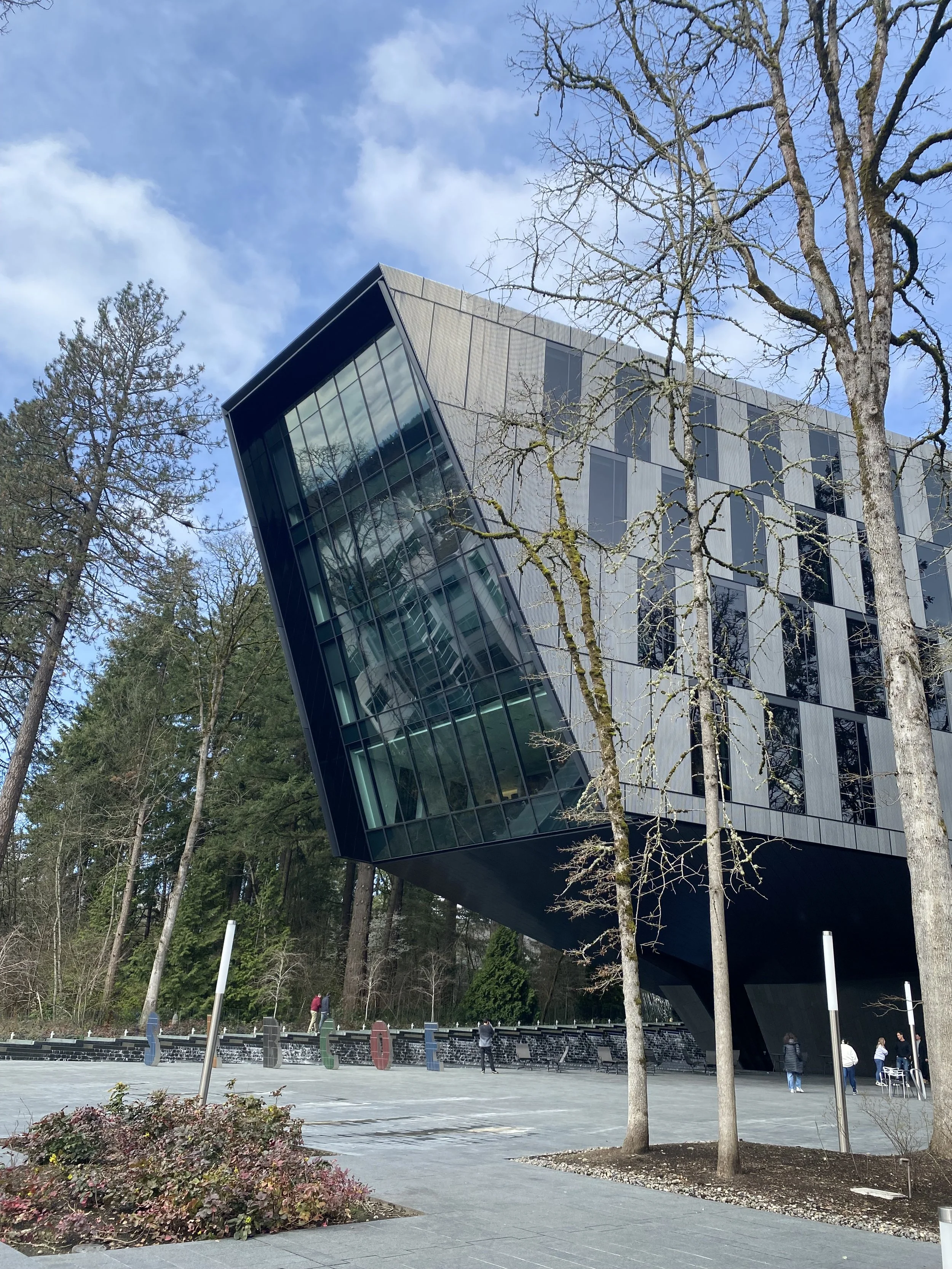
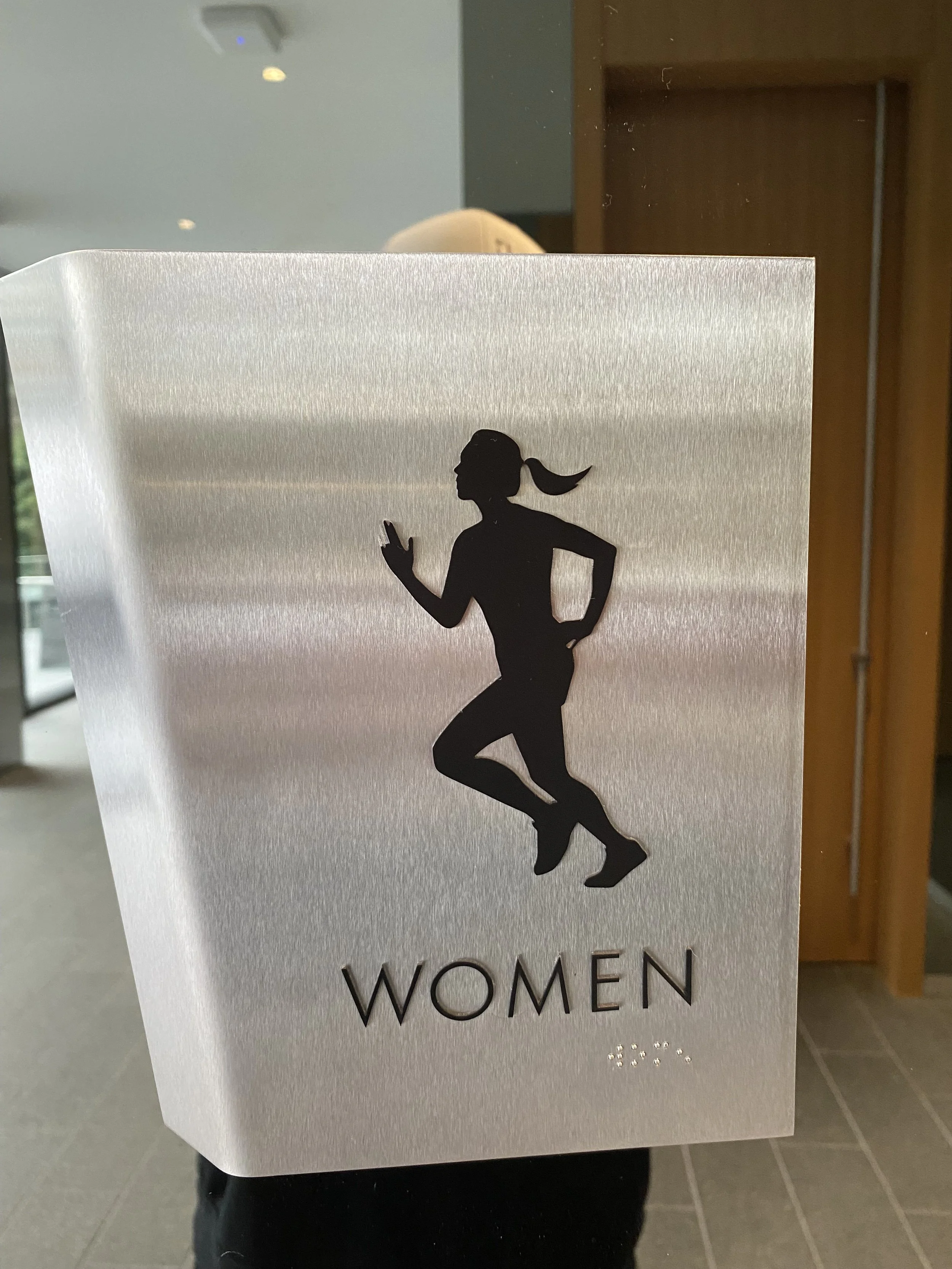
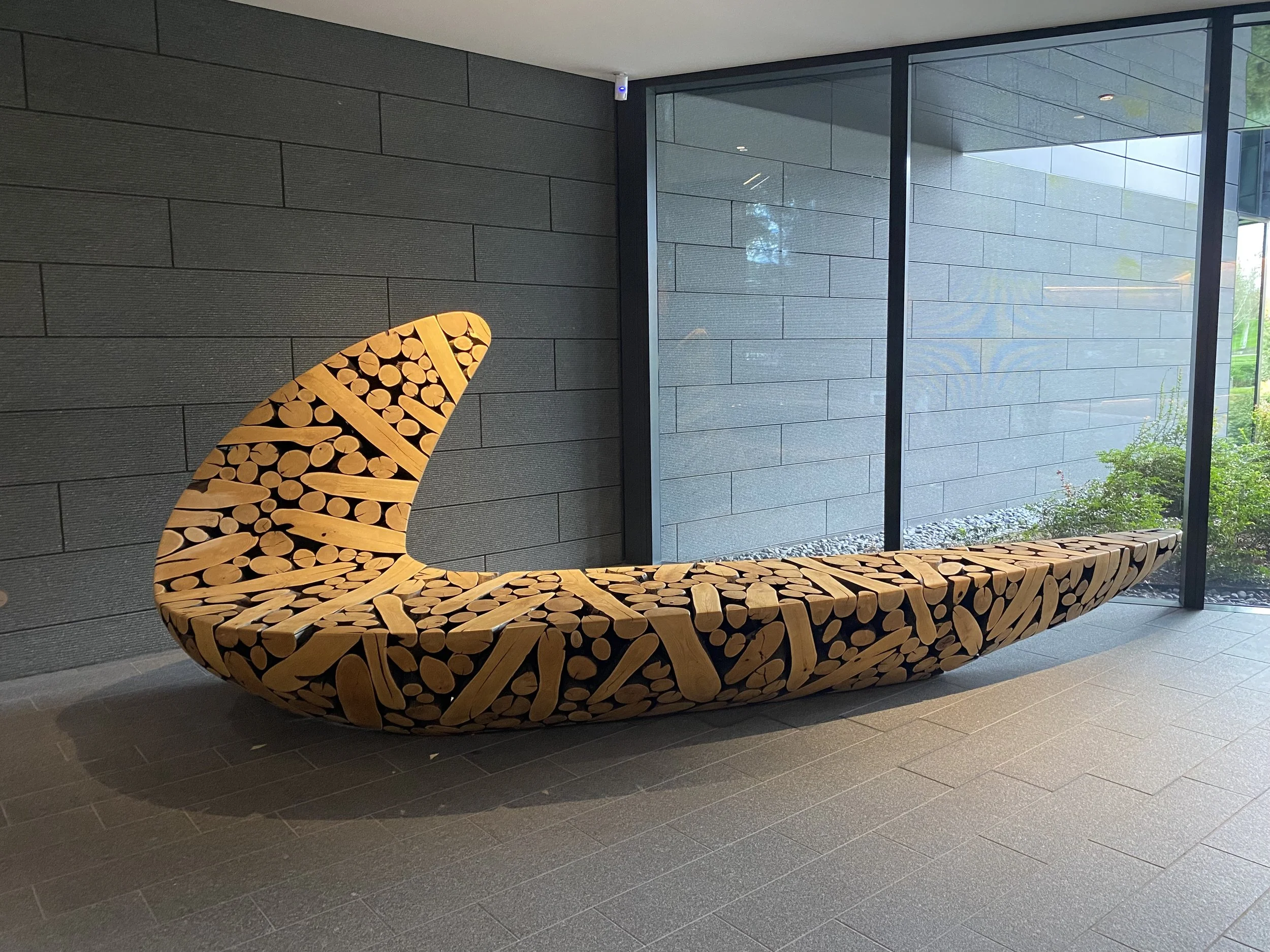
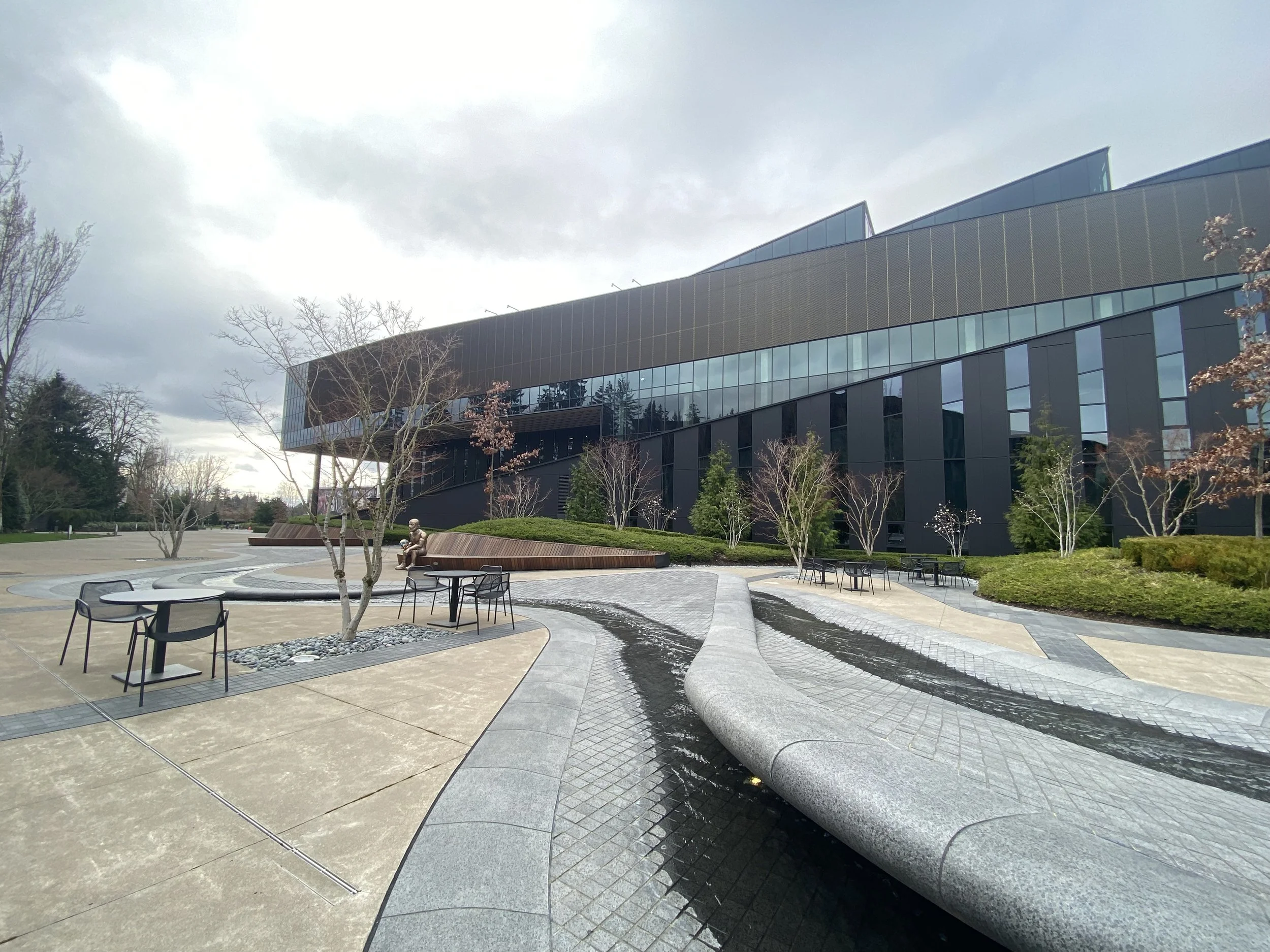
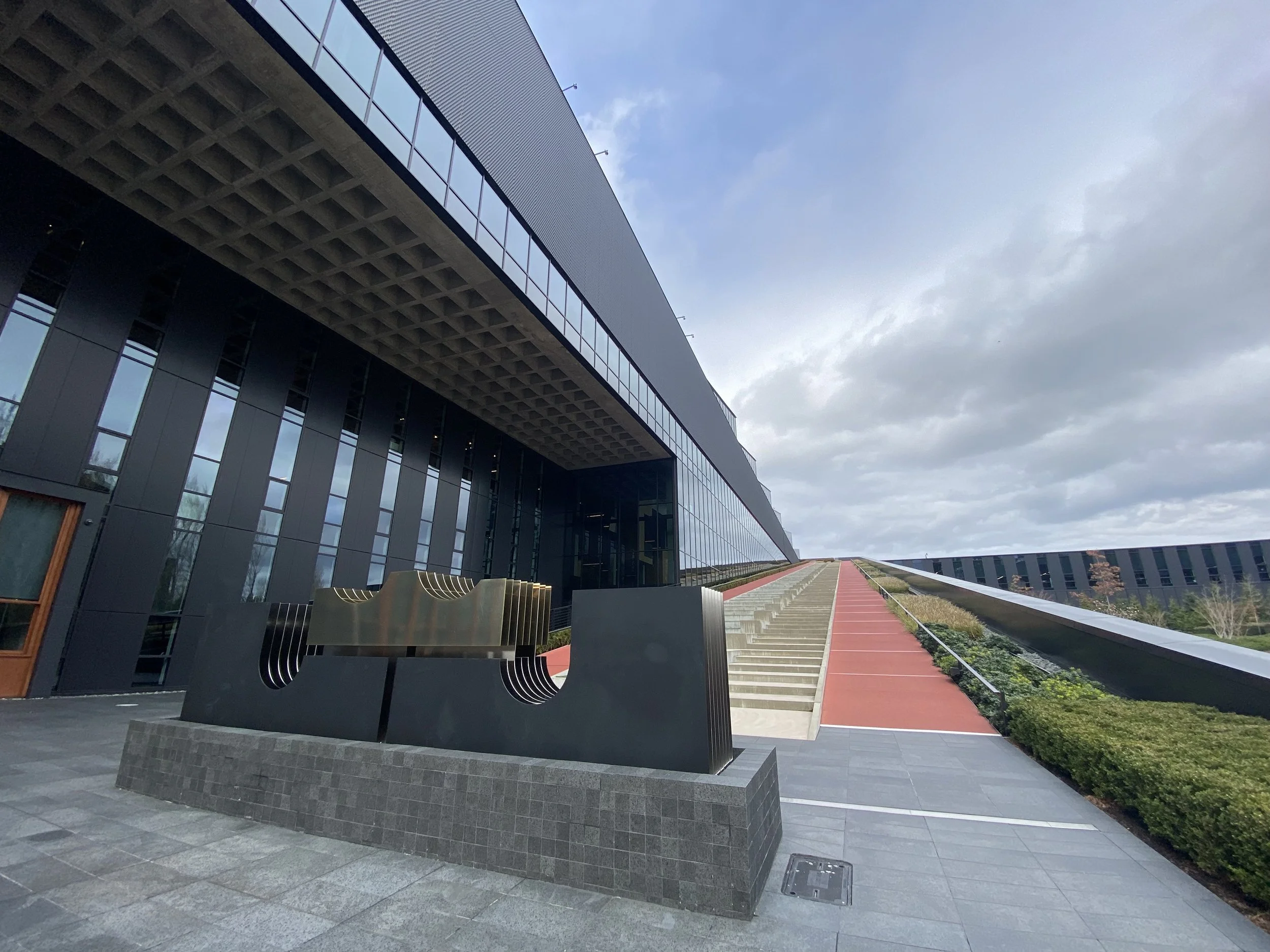
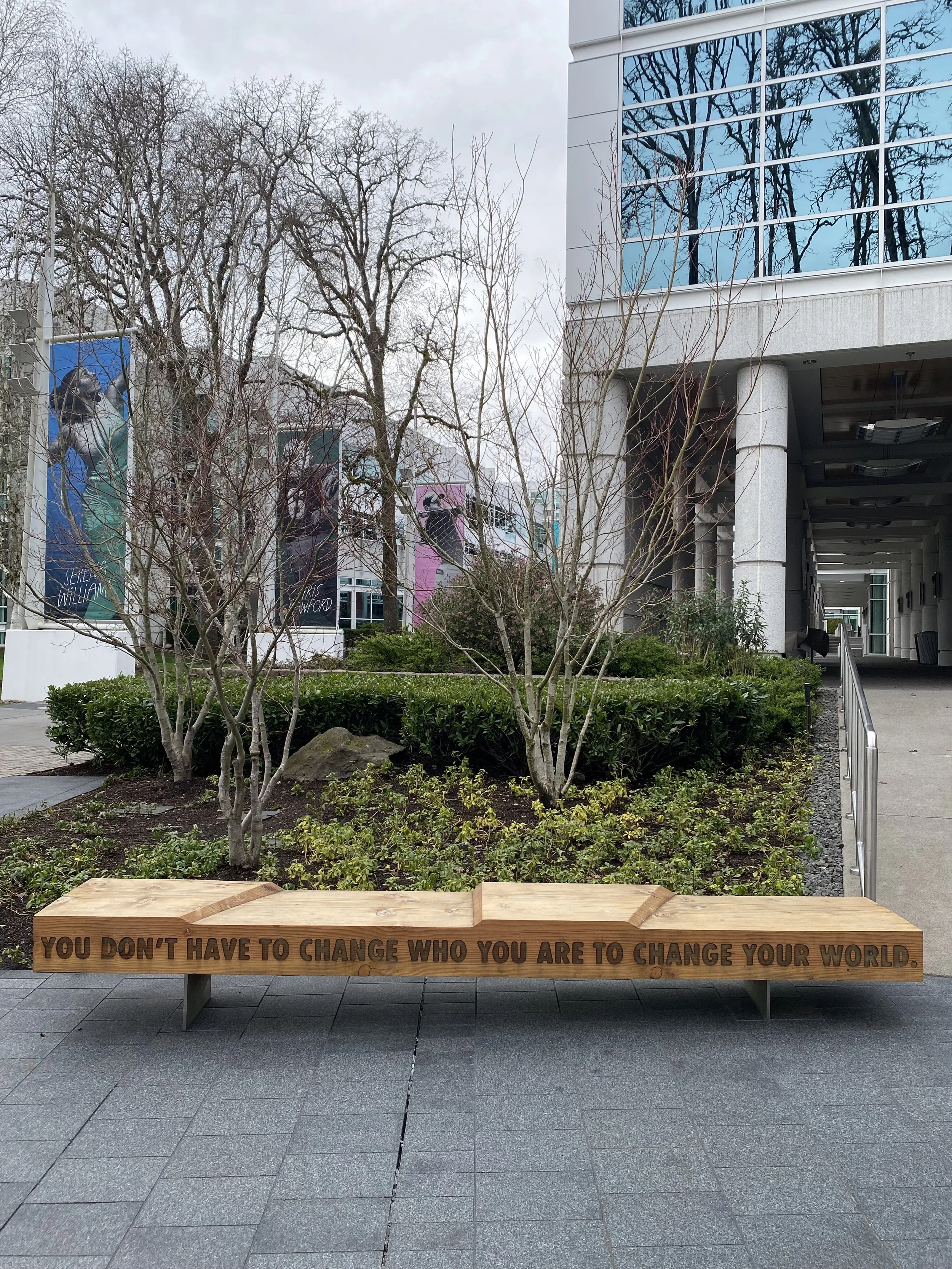
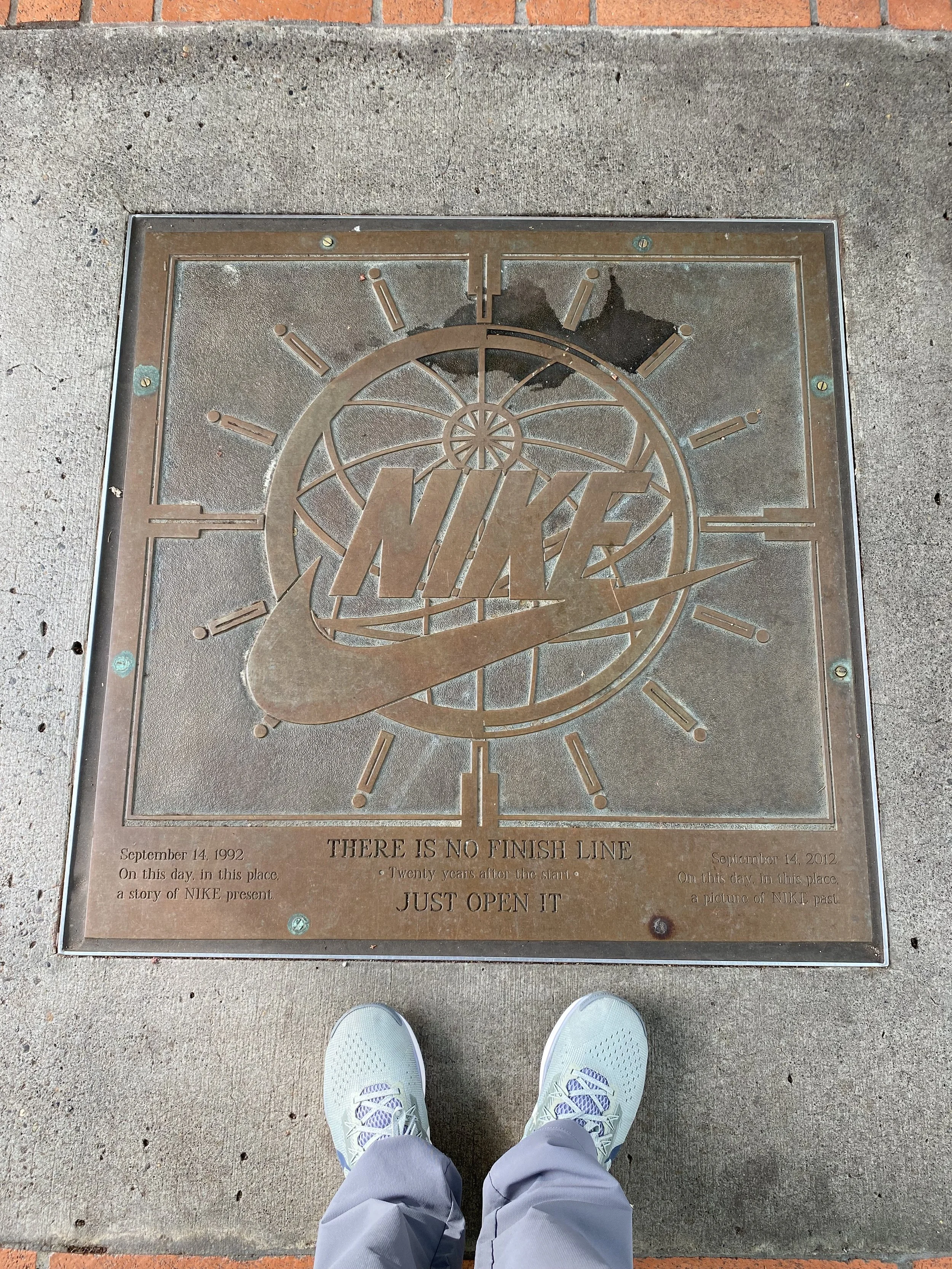
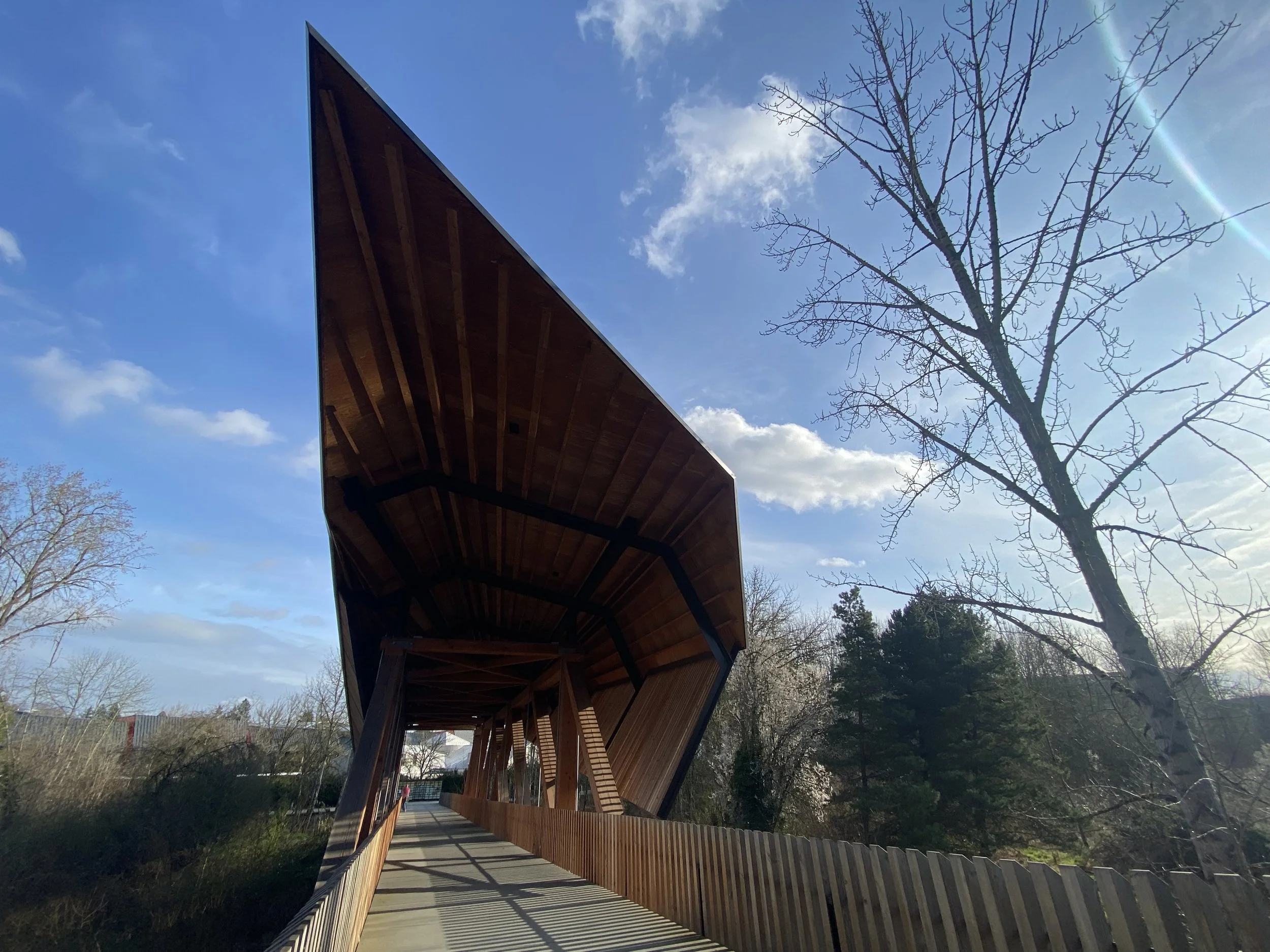
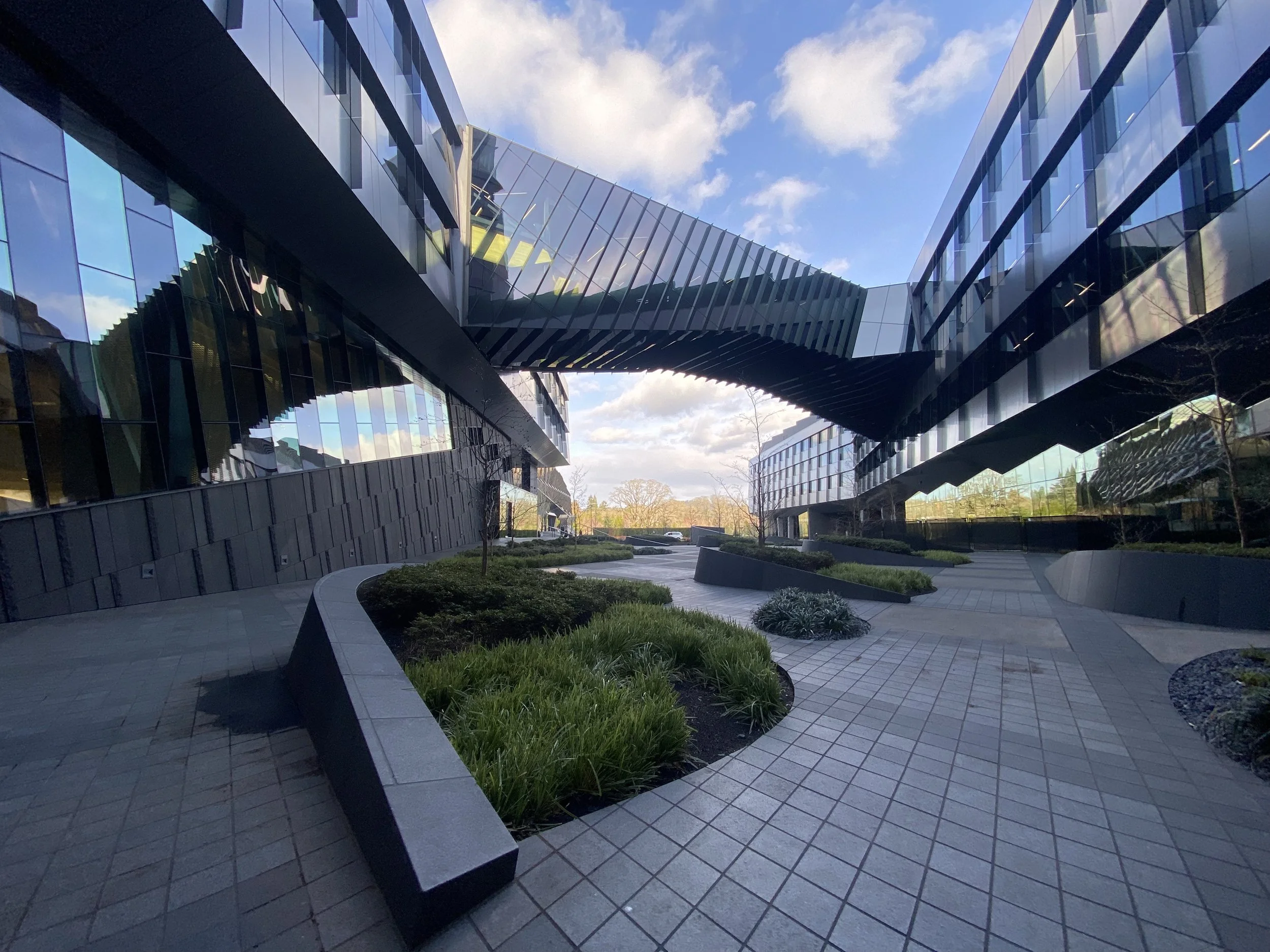
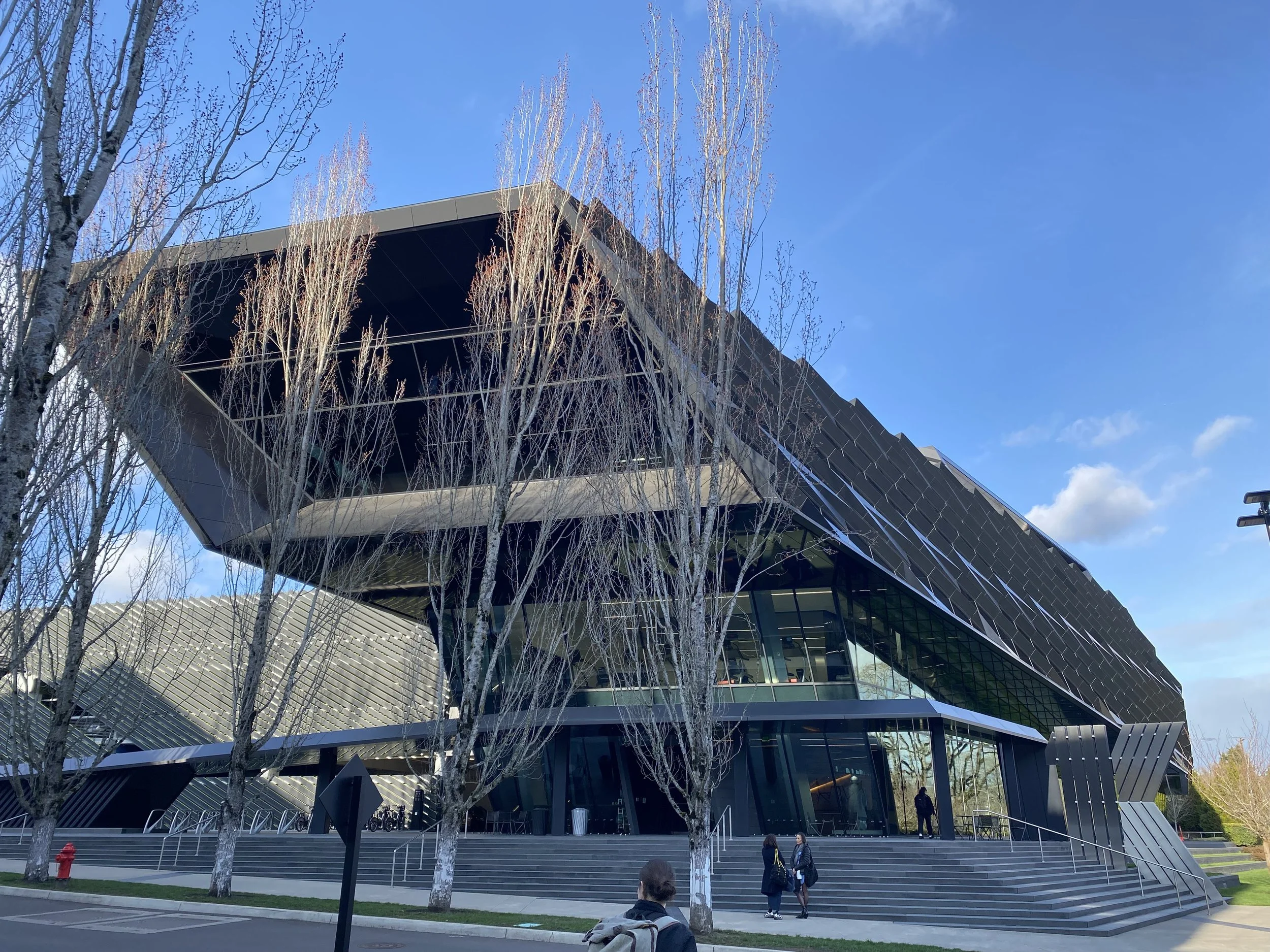
Nike celebrates their story in every detail. Swooshes are designed into building lines and benches. At the LeBron James building, you can see the waffle iron pattern from their first shoe underneath the roof. There's a running track that takes you to the summit. I went up there and left feeling like I was on top of my game.
I poured a lot of thought and creativity into this project, and it felt like leveling up as a writer and in my career. Being there—surrounded by those buildings that stand as temples to honor greatness—was overjoying and humbling. I was on campus, touring with people who could help me get more involved with a brand I've always adored, working on a project that could lead to more great work.
Here's to swooshing more big things off the bucket list.
Here’s the original script…